1960s Music Scene Celebrities Weren't Just Stars-scandals

The biggest celebrities from the 1960s music scene were the artists who turned pop, soul, rock, and folk into cultural power: The Beatles, The Rolling Stones, Bob Dylan, Aretha Franklin, James Brown, Jimi Hendrix, The Supremes, Marvin Gaye, Otis Redding, and Janis Joplin all helped define the decade's sound and image.
Why the 1960s mattered
The 1960s music scene was not just about hit records; it was a collision of civil rights, youth rebellion, television, and global youth culture that made performers into public figures with unusual speed. Major artists from the decade often became symbols of change as much as entertainers, because their music tracked protest, identity, psychedelia, and social upheaval. In practical terms, fame became bigger, faster, and more volatile than in earlier pop eras.
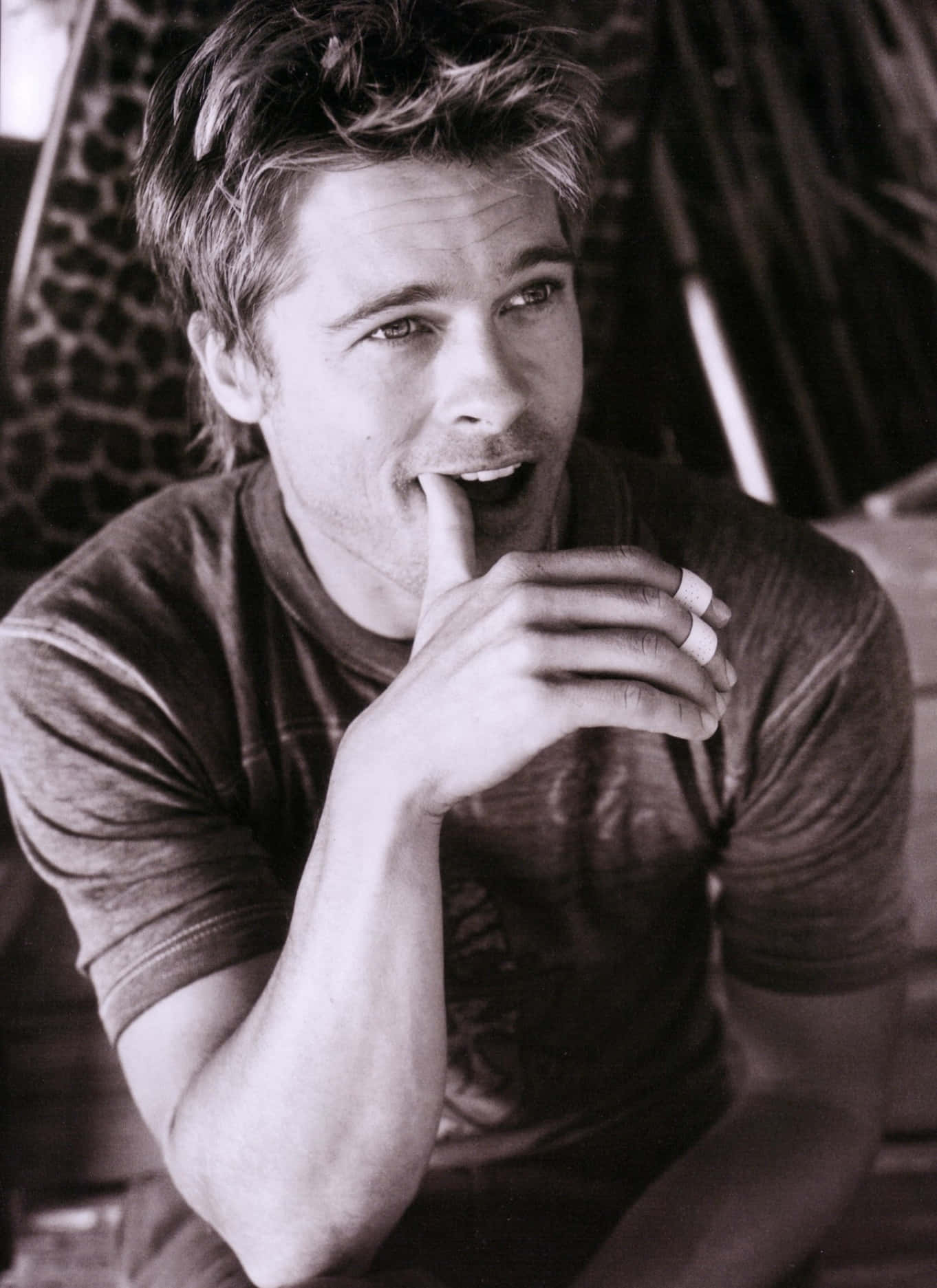
One useful way to understand the decade is to think in phases: early-1960s surf and girl-group pop, mid-decade British Invasion and soul dominance, and late-decade psychedelia, hard rock, and singer-songwriter introspection. That structure helps explain why the same decade produced both clean-cut stars and dangerous icons. It also explains why some of the era's biggest names paid a personal price for becoming cultural shorthand.
Defining celebrities
If you are looking for the most recognizable 1960s icons, the list should span several genres rather than focus only on rock. The decade's celebrity class included British bands, Motown singers, gospel-rooted soul voices, folk storytellers, and blues revivalists, all of whom crossed into mainstream visibility. Many were famous not just for songs, but for interviews, style, controversy, touring intensity, and the sense that they represented a generation.
- The Beatles became the defining global pop phenomenon of the decade.
- The Rolling Stones built the more rebellious, blues-based counterimage.
- Bob Dylan turned songwriting into a form of cultural commentary.
- Aretha Franklin gave soul music a new level of authority and emotional scale.
- James Brown made performance, rhythm, and discipline part of celebrity itself.
- Jimi Hendrix transformed the electric guitar into a visual and sonic spectacle.
- The Supremes showed how polished pop could dominate radio and television.
- Janis Joplin embodied the late-decade ethos of rawness and risk.
Who rewrote fame
The most influential stars did more than sell records; they changed the rules of fame. The Beatles made mass adoration feel international, collaborative, and media-saturated, while also proving that pop musicians could evolve from teen idols into studio innovators. Their breakthrough in the United States in 1964 helped create the modern pop-superstar template, where music, image, merchandise, film, and fan behavior all reinforced one another.
Bob Dylan rewrote celebrity in a different way by making mystery part of the brand. His move from acoustic protest songs to electric rock in 1965 showed that an artist could challenge an audience and still remain central to pop culture. Aretha Franklin did something equally important by establishing that vocal authority could be a form of stardom in itself, with songs like "Respect" turning performance into public identity.
James Brown turned live performance into an event of almost athletic precision. Jimi Hendrix made virtuosity theatrical, using feedback, distortion, and stage presence to create a star image that still feels modern. The result was a decade in which the celebrity musician became more than a recording artist: they became a visual brand, a political signal, and a lifestyle reference point.
The price of fame
The same machinery that created those stars also damaged them. The price of fame in the 1960s often meant relentless touring, public pressure, addiction, mental strain, racial hostility, and the lack of support systems that later generations would take for granted. Fame could be especially punishing for artists whose image became larger than their private lives.
Jimi Hendrix died at 27 in 1970 after a career that had already been compressed by the intense pace of 1960s stardom, and Janis Joplin died later that same year, after becoming a symbol of emotional intensity and excess. Otis Redding died in a 1967 plane crash at age 26, just as his audience was expanding beyond the soul world. Brian Jones of the Rolling Stones died in 1969, and the combination of creative pressure and personal instability around him reflected how unstable success could become.
"The 1960s made stars feel immortal, but the business of being famous was often brutal, exhausting, and short on mercy."
Key figures
The decade's celebrity map is broad, but several names repeatedly anchor any serious discussion of the era. The British Invasion centered on The Beatles, The Rolling Stones, The Who, and The Kinks, while American pop and soul were defined by Aretha Franklin, James Brown, The Supremes, Marvin Gaye, Otis Redding, and Smokey Robinson. Folk and protest culture brought Bob Dylan, Joan Baez, Simon & Garfunkel, and Joni Mitchell into the mainstream conversation.
| Artist | Why they mattered | Fame pattern | Cost of stardom |
|---|---|---|---|
| The Beatles | Globalized modern pop and album-era celebrity | Mass fandom, constant media attention | Loss of privacy and extreme public scrutiny |
| Aretha Franklin | Set a standard for soul vocal authority | Critical respect plus hit records | Pressure to carry social symbolism |
| Jimi Hendrix | Expanded the electric guitar's role in rock | Iconic stage image and rapid ascent | Touring strain and short career span |
| Janis Joplin | Made raw emotional delivery commercially powerful | Countercultural celebrity | Substance abuse and instability |
| Bob Dylan | Elevated songwriting as public commentary | Elusive, mythic reputation | Audience backlash and role pressure |
| The Supremes | Helped define Motown polish and crossover success | Mainstream television visibility | Heavy industry control and image management |
How fame spread
The television era changed how 1960s celebrities were built. Performers who appeared on major TV programs, in concert films, and in news coverage could become household names quickly, and that visibility made style part of the package. Haircuts, clothing, dancing, and onstage swagger became part of how audiences judged authenticity, especially for younger listeners.
Radio still mattered, but the 1960s pushed music fame into a multimedia system. A successful artist was expected to be identifiable in a single frame, on a concert stage, and in a magazine photograph. That is one reason the decade produced so many enduring images: the Beatles' suits, Hendrix's guitar theatrics, Joplin's bohemian look, and the Supremes' elegant presentation each communicated a distinct cultural position.
What to remember
The most important thing to know about 60s music celebrities is that they changed both sound and status. They were not simply singers or bands; they were public symbols in an era when youth culture became a force that advertisers, politicians, and broadcasters all had to notice. Their influence continues because they helped define the idea that musicians could be world-shaping cultural figures, not just performers on a stage.
- Start with The Beatles, The Rolling Stones, Bob Dylan, Aretha Franklin, James Brown, and Jimi Hendrix.
- Then add soul and Motown figures such as The Supremes, Marvin Gaye, Otis Redding, and Smokey Robinson.
- Finish with late-decade edge cases like Janis Joplin, The Doors, Jefferson Airplane, and The Who.
- Use the deaths, scandals, and burnout stories to understand the cost of rapid fame.
- Read the decade as a whole: the 1960s created the modern template for music celebrity.
Expert answers to 1960s Music Scene Celebrities Werent Just Stars Scandals queries
Who were the biggest music celebrities of the 1960s?
The biggest 1960s music celebrities included The Beatles, The Rolling Stones, Bob Dylan, Aretha Franklin, James Brown, Jimi Hendrix, The Supremes, Marvin Gaye, Otis Redding, and Janis Joplin.
Why did the 1960s create so many iconic musicians?
The decade combined social upheaval, television exposure, youth purchasing power, and musical experimentation, which gave artists a larger cultural role than earlier pop stars had enjoyed.
Which 1960s stars paid the highest price?
Jimi Hendrix, Janis Joplin, Otis Redding, and Brian Jones are among the clearest examples of artists whose fame was cut short or destabilized by the pressures of the era.
What made 1960s fame different from today's fame?
1960s fame was slower to build but more concentrated in radio, TV, and print, so a small number of appearances could define a career for millions of people.
Which genres shaped the decade most?
Rock, soul, Motown, folk, psychedelic rock, and early hard rock all shaped the decade, and the most famous artists often crossed more than one of those categories.