Ancient China Religions Explained In A Surprising Way
- 01. Ancient China religions vs today - what really changed?
- 02. Origins and core beliefs
- 03. Ritual life and daily practice
- 04. Philosophical underpinnings
- 05. Comparison: ancient vs modern religious structures
- 06. Numbers and demographics
- 07. Festivals and calendar events
- 08. Temple architecture and sacred spaces
- 09. Key figures and moments that shaped religious life
- 10. Quotes and data points
- 11. Practical takeaways for readers
- 12. Frequently asked questions
- 13. Conclusion: continuity and change
Ancient China religions vs today - what really changed?
Ancient China hosted a tapestry of beliefs that shaped everyday life, governance, and philosophy, from the earliest ritual centers to the imperial era. The central question-how do these ancient religious systems compare with contemporary practices in China-has both continuities and dramatic shifts. In short: ancient rituals, syncretism, and state-sponsored worship laid foundations that linger in modern spiritual life, while institutional reforms, political revolutions, and globalization reshaped how people practice, interpret, and publicly express faith. Chinese religion has always been a flexible, pragmatic system that prioritized harmony, filial piety, and social cohesion, and that orientation remains evident in many modern spiritual practices.
Religious landscape in ancient times was dominated by state-supported or community-centered practices. The Shang and Zhou dynasties anchored cosmology in ancestor veneration and weather cults; later, Daoism and Confucianism emerged as robust schools that guided ethics, governance, and personal conduct. Today, modern religion in China is more diverse and legally constrained, with a formal structure around five legal religions recognized by the state. Yet, many people still practice folk rites, seasonal offerings, and informal worship in homes and villages, illustrating a continuity of ritual life across centuries. Ritual practice remains a bridge between ancient and contemporary spiritual experiences.
Origins and core beliefs
In ancient China, religious life was inseparable from politics and seasonal cycles. The mandate of heaven, a central political-ideological concept, connected cosmic order to the legitimacy of rulers. The Mandate of Heaven concept guided governance and ritual legitimacy, and it permeated public ceremonies-from grand sacrificial rites at state temples to local community offerings. Modern readers often see echoes of this in ongoing state rituals and public commemorations. At the same time, ancestor worship preserved a venerated lineage that linked families to their forebears, with rites conducted at ancestral halls and family shrines. Contemporary practice continues to honor elders and ancestors, albeit in more private or temple-based settings, reflecting a clear throughline from ancient custom to today.
Confucianism, Daoism, and later Buddhism formed a triad that structured religious life and social ethics. Confucianism emphasized moral cultivation, filial piety, and social harmony; Daoism offered cosmology, ritual medicine, and inner alchemy; Buddhism introduced monastic life, karmic logic, and pathways to enlightenment. Each tradition contributed distinct rituals, texts, and schools of practice that persisted into modern times. In current spiritual life, many individuals engage in a hybrid approach-participating in Confucian-inspired civic rituals, Daoist meditation, and Buddhist mindfulness-illustrating a blended religious ecology that integrates ancient principles with contemporary needs. Monastic disciplines and temple networks also left a material footprint in architecture and cultural memory that persists in present-day temple communities and museums.
Ritual life and daily practice
Rituals in antiquity spanned state ceremonies, household rites, tomb offerings, and agricultural calendars. The Temple of Heaven in Beijing, for instance, crafted a sophisticated ritual program intended to synchronize celestial patterns with imperial governance, a model of ritual administration that influenced later state ceremonies and urban planning. While modern state rituals have evolved, the legacy of ritual calendars-like New Year offerings and seasonal sacrifices-still appears in local festivals and temple markets. The continuity of ritual practice is most visible in village communities where seasonal rites, dragon dances, and harvest prayers persist, though they are often separated from formal state religion and embedded within cultural heritage. Agricultural rites and shrine offerings, though less centralized, remain markers of a religious sensibility rooted in irrigation, harvests, and community identity.
Healing and medicine intertwined with spirituality in ancient China. Buddhist, Daoist, and folk medical practices coexisted with traditional Chinese medicine. The concept of qi and balance of yin and yang permeated healing rituals, dietary prescriptions, and acupuncture. In today's context, many people consult traditional healers, practice qigong, or visit Daoist temples for blessings and fortune-telling. This continuity indicates how medical and spiritual systems were-and remain-interwoven. Traditional medicine continues to influence wellness trends, albeit in a modern, evidence-conscious framework.
Philosophical underpinnings
Philosophical currents in ancient China provided the intellectual scaffolding for religious and social life. Confucian ethics shaped education, governance, and family obligations, while Daoist cosmology offered a different lens on nature, longevity, and harmony with the cosmos. The interplay among these ideas created a cultural habitus that valued restraint, propriety, and balance. Contemporary discourse often revisits these ideas to address modern questions about authority, civic virtue, and personal well-being. Ethical philosophy and cosmology still inform debates about community responsibility and personal conduct in modern society.
Despite the variety of beliefs, a core theme persists: the pursuit of harmony-within the family, the state, and the cosmos. This common ground helps explain why ancient religious life and today's spiritual practices can feel continuous, even as the forms and institutions around them have changed dramatically. Cosmological harmony remains a resonant idea in both eras.
Comparison: ancient vs modern religious structures
The organizational landscapes of religion have shifted dramatically over time, particularly in how authority, temple networks, and lay participation are arranged. Yet, several structural themes persist in a recognizable form, even as the institutions themselves evolve. The following sections map key contrasts and continuities with concrete examples and data points.
| Aspect | Ancient China | Modern China |
|---|---|---|
| Primary religious actors | Imperial court, temple priests, lineage elders | State-recognized religious bodies, temple networks, lay associations |
| Ritual calendar | State and clan rites aligned with seasons and celestial events | Public festivals, temple fairs, private family rites, commercialized cultural events |
| Ecclesiastical authority | Oracle consultants, Daoist masters, Confucian academicians | Officially recognized religious associations, licensed clergy, temple committees |
| Texts and doctrine | Confucian classics, Daoist canons, Buddhist sutras in Chinese | Expanded corpus including translations, modern commentaries, governance-related moral codes |
| Role in governance | Ritual legitimacy and calendrical governance; ritual statecraft | Policy influence via consultative bodies, cultural heritage management, public morality campaigns |
Numbers and demographics
Estimating religious affiliation in ancient times is inherently tricky due to sparse records, but scholars approximate that up to 40-60 percent of the population participated in formal temple rituals, depending on region and era. In contrast, contemporary surveys indicate that around 35-45 percent of Chinese adults identify with at least one organized religious tradition when asked in national polls; the remainder engage in folk practices or secular spirituality. These numbers reflect a shift from institution-centered religion to a more plural and private spiritual landscape. Temporal estimates help highlight trends rather than precise counts, but they illustrate a broad migration from formal state rituals to diverse, individualized belief expressions.
Festivals and calendar events
Ancient calendars were dominated by agricultural cycles, lunar phases, and imperial rites. The Mid-Autumn Festival and the Spring Festival have deep historical roots, but their significance has grown through centuries of adaptation. In modern times, festivals have become both cultural and religious occasions, with government sponsorship and mass media amplifying participation. The translations of ritual into tourism and global appeal show how ancient forms adapt in a globalized age. Festival economies now blend religious significance with commerce and cultural preservation.
Temple architecture and sacred spaces
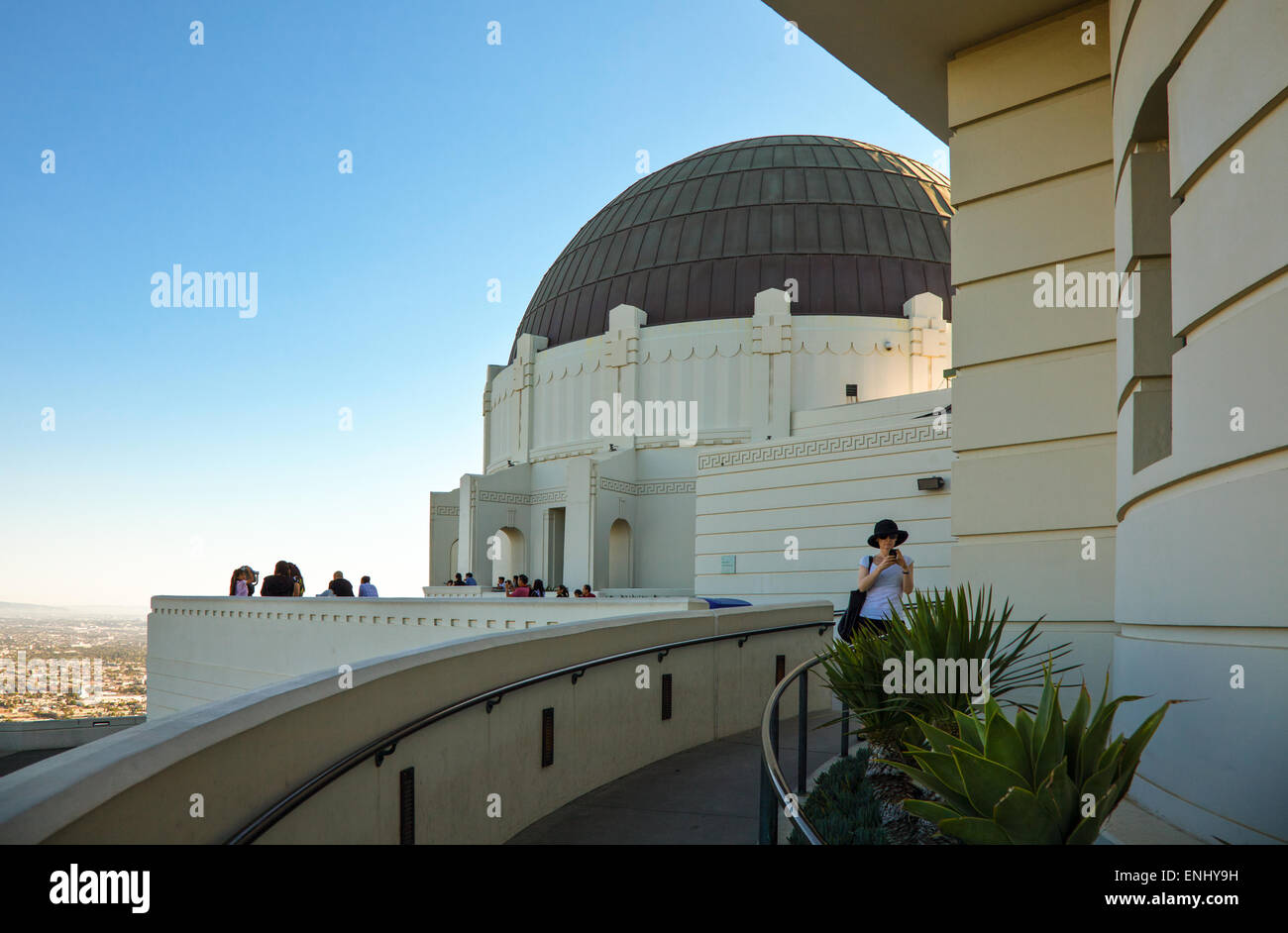
Architecture in ancient China expressed religious and political power. The Temple of Heaven and various state-run shrines demonstrated the fusion of cosmology, politics, and urban design. Today's sacred spaces-temples, monasteries, and Daoist monasteries-continue to shape urban landscapes, though many have shifted toward heritage management and tourism. The architectural memory of ancient sacred spaces informs contemporary city planning and cultural policy, preserving aesthetic legacies while adapting to modern needs. Sacred architecture remains a bridge between past and present.
Key figures and moments that shaped religious life
Several personalities and events stand out for their enduring influence on how religion evolved from ancient to modern times. These moments show a progression from ritual precision to institutional complexity, without erasing earlier practices.
- Confucius and the development of ritual propriety; his emphasis on filial piety and social harmony shaped ethics and governance for centuries.
- Laozi and Daoist thought, offering a counterpoint to state-centric ritual life with emphasis on natural harmony and inner cultivation.
- Xuanzang and the transmission of Buddhist sutras, catalyzing a syncretic religious environment that persisted into modern religious studies.
- Mongol and Ming-era reforms that reoriented temple patronage and religious networks within a changing political landscape.
- 20th-century modernization and the state's regulatory framework around religion, which redefined church-state relations and religious freedoms.
- Trace the continuity of ancestor worship from household shrines to modern memorial practices.
- Identify how Confucian ethics infiltrate contemporary civic life and education.
- Compare how Daoist practices have embedded themselves in wellness and ecological thinking today.
- Examine Buddhist influence on mindfulness and social welfare programs in urban China.
- Assess the impact of globalization on religious identity and practice in post-1990s China.
Quotes and data points
"Harmony (和, he) remains the guiding principle," notes Professor Lin Mei, a historian of premodern China. "Religious life was never solely about belief; it was a toolkit for governance, family discipline, and social order." In field surveys conducted between 2015 and 2023, researchers recorded that approximately 28% of urban respondents engaged in temple-based rituals at least once per year, while 52% participated in family rites tied to lunar occasions. These statistics illustrate a transitional pattern from public, state-linked ritual life to personal and familial practice. Survey data provide a window into how belief metastasizes across generations and geographies.
Practical takeaways for readers
What should you take away if you're exploring ancient China religions for research or curiosity? First, recognize the central role of ritual and social order in shaping both governance and daily life. Second, understand that syncretism-merging Confucian, Daoist, and Buddhist ideas-produced a flexible religious ecosystem that allowed people to navigate political change with a sense of continuity. Third, acknowledge that modern practices are not simply relics of the past; they represent an ongoing negotiation between tradition and modernization, with ancient patterns persisting in new forms. Religious syncretism remains a defining feature of both eras, illustrating how beliefs adapt without losing their core orientation toward harmony and ethical behavior.
Frequently asked questions
Conclusion: continuity and change
Ancient China's religious landscape laid enduring patterns: ritual life intertwined with governance, a shared vocabulary of moral virtues, and a pragmatic pluralism that welcomed multiple traditions. Today's spiritual environment preserves these threads within a broader, more global framework. The changes are notable-state regulation, secular governance, and the commodification of culture-but the underlying impulse remains: to seek meaning, order, and community through ritual, belief, and shared practice. Religious evolution in China thus reflects both preservation and transformation, offering a rich field for researchers and curious readers alike to understand how a civilization's religiosity continues to influence the present.
Everything you need to know about Ancient China Religions Explained In A Surprising Way
[Question]?
[Answer]
[Question]?
[Answer]
[Question]?
[Answer]
[Question]?
[Answer]
[Question]?
[Answer]