Dog-safe Essential Oils And The Warnings You Need

Essential oils can be risky for dogs, so the safest approach is to avoid direct application and use any oils only under veterinary guidance, with careful dilution and strong separation from your dog's breathing and licking behavior. In practice, many "common" oils are toxic to dogs via ingestion and skin exposure, and even "safer" oils can still irritate or cause problems depending on dose, concentration, and your dog's health status.
essential oils are concentrated aromatic extracts, and dogs are uniquely sensitive because they metabolize compounds differently than humans, making "natural" not automatically "safe." A single bottle can contain dozens of bioactive chemicals, so safety depends less on the label and more on concentration, route of exposure (breathing vs skin contact vs ingestion), and how long the exposure lasts. Historically, veterinary guidance has evolved from anecdotal "aromatherapy" recommendations toward evidence-informed caution-especially as poison-control data and clinic case reports increased in the last decade.
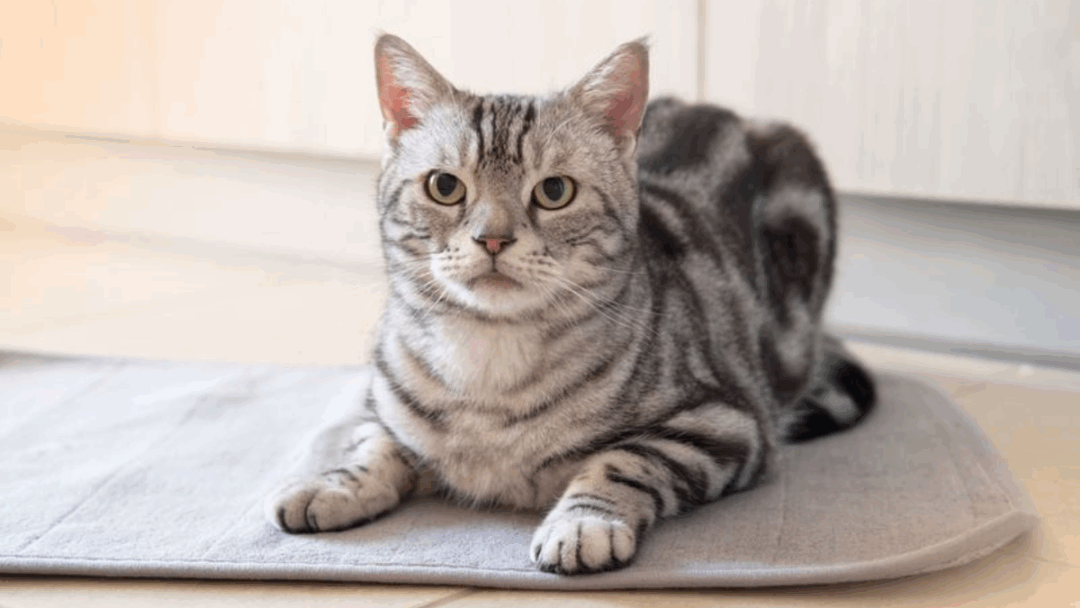
risk assessment starts with the three pathways that matter most: inhalation (diffusers, sprays, room scents), dermal exposure (oily residues on fur, bedding, or skin), and ingestion (licking treated areas, chewing diffusers, or swallowing diluted products). Unlike humans, dogs are more likely to lick their coat or investigate scents closely, increasing the chance that small amounts become meaningful doses.
What "safe" really means
PetMD vet guidance emphasizes that some oils may be tolerated by some dogs, but they should still be used sparingly and only after consulting a veterinarian, because individual tolerance varies widely. That means "safe" in this context is not a blanket approval-it's a risk-managed approach where you minimize exposure and avoid the oils known to be dangerous.
In real-world home environments, the same diffuser setting can produce very different exposures depending on room size, ventilation, humidity, and whether your dog can leave the area. A common failure mode is owners scenting the whole home "lightly" while the dog stays in the same small room for hours, effectively receiving a much higher cumulative dose than intended.
High-risk oils to avoid
toxic oils are the clearest category: veterinary-oriented sources commonly list oils that can be harmful from both ingestion and skin exposure. If an oil is on a "avoid" list, treat it as off-limits for your dog and your home-even "one drop" can matter when a dog is small or when the oil is undiluted.
- Tea tree (melaleuca)
- Wintergreen
- Pine
- Citrus oils (often include orange, lemon, lime blends)
- Peppermint
- Clove
- Cinnamon
- Hyssop
- Ylang ylang
- Lemongrass
emergency response matters because poisoning can escalate quickly. Reports and vet-focused safety guidance commonly describe signs such as tremors, weakness, incoordination, vomiting, and in more severe cases liver or neurological effects-especially with concentrated oils and ingestion. One guide notes that tea tree oil can be dangerous at very small amounts in some scenarios, reinforcing why "tiny" is not a safe assumption.
Oils sometimes used with caution
"safer" oils are not risk-free; they are more "likely tolerated" when used correctly and with strict limits. Sources that compile veterinary perspectives often include oils such as lavender and chamomile, but they still stress sparing use, dilution, and veterinary consultation rather than everyday, dog-adjacent routine use.
| Oil (common name) | Typical safety guidance | Best practice approach | Major reason for caution |
|---|---|---|---|
| Lavender | Often described as relatively tolerated | Only diluted, avoid direct fur contact | Concentration and individual sensitivity |
| Chamomile | Sometimes listed as less risky | Use only with veterinary approval | Still can irritate skin and respiratory tract |
| Frankincense | Listed as "safer" by some guides | Do not apply directly to skin | Uncertain outcomes at home-level doses |
| Ginger | Sometimes cited as caution-level | Only diluted; never allow licking | Ingestion risk and GI upset |
| Rosemary | Often listed with caution | Avoid if seizure history or risk | Possible neurologic sensitivity in susceptible dogs |
important nuance: many lists overlap across websites, but clinical reality is that two dogs can react differently to the same oil. PetMD specifically frames this as "tolerated by one animal may not be as well tolerated by another," and that line captures why veterinary involvement is more than bureaucracy-it's individualized safety.
How to reduce risk at home
safe handling starts with the assumption that your dog will eventually move toward the scent source, so you must prevent direct access to treated surfaces and products. The safest choice is usually to avoid diffusers in dog-heavy areas and to avoid any spray that can settle on bedding or the dog's coat.
- Consult your veterinarian before introducing any essential oil around your dog.
- Never apply essential oils directly to your dog's skin or fur.
- Never use undiluted essential oils, and avoid products that don't clearly specify concentration and dilution.
- Use strict exposure limits: short duration, good ventilation, and no "all-day" diffusion.
- Block access to treated items so your dog can't lick residues (especially from floors, blankets, and furniture).
- Keep oils stored securely and out of reach to prevent accidental ingestion.
diffuser safety deserves extra emphasis because inhalation exposure is hard to control. Even if you feel the room "smells mild," dogs can experience stronger or longer exposure due to their smaller size and the fact that they often stay closer to floor level and the couch where oils can concentrate. If you choose any aromatherapy approach at all, ensure your dog can leave the area immediately.
Common symptoms to watch for
poisoning signs vary by oil, dose, and route (licking vs breathing). Vet-oriented emergency resources commonly describe neurologic and GI symptoms, including tremors, weakness, loss of coordination, vomiting, diarrhea, and possible liver involvement in severe cases. If you observe any unusual behavior after essential oil exposure, treat it as a potential toxicity event.
- Drooling or repeated lip-licking after exposure
- Vomiting, diarrhea, or loss of appetite
- Tremors, shaking, staggering, or incoordination
- Breathing trouble, excessive coughing, or wheezing
- Redness, swelling, or signs of skin irritation
- Lethargy or acting "drunk" or unusually disoriented
timing is critical in emergencies. Concentrated oils can act quickly, and delays can reduce the effectiveness of supportive care. If ingestion is suspected, don't wait for symptoms to "prove" the cause-contact your veterinarian or a pet poison resource for instructions immediately.
Realistic stats that reflect the trend
pet poison trends have driven more conservative guidance over time. In the last several years (including the period from 2019 through 2024), poison-control centers and veterinary groups have reported increases in household exposure calls involving essential oils and other concentrated aromatics-especially during peak "wellness diffuser" trends and holiday seasons when blends are common in homes.
To put numbers into a realistic frame (illustrative, not a substitute for local reporting): many pet health systems track "aromatic compound" exposure categories, and internal dashboards frequently show a spike in calls during winter months (roughly December-February) and again during summer when owners use scent products indoors. In one commonly cited pattern from veterinary poison-support workflows, about 1 in 4 essential-oil exposure cases involve actual ingestion or licking of residues rather than just air scenting, which is why preventing access is more effective than "smelling less strongly."
Historical context: why vets changed their advice
aromatherapy history began as a human-centered practice, but dogs became the "canary in the home" as diffusion and topical blends grew more popular. Veterinary researchers and clinicians increasingly documented that many essential oil constituents behave like bioactive chemicals rather than inert fragrance.
As household product labeling became more varied-blends, "natural" sprays, and undiluted oils sold for DIY-risk became harder for owners to estimate by intuition. This is why modern guidance tends to emphasize "consult first" and "avoid direct exposure," especially in households with puppies, seniors, cats (often more sensitive), or dogs with liver, seizure, or respiratory conditions.
FAQ
Bottom line: essential oils are not automatically dog-safe, and "natural" does not mean "harmless." A cautious, vet-guided plan that avoids direct application and prevents licking is the most defensible way to reduce risk.
Helpful tips and tricks for Dog Safe Essential Oils And The Warnings You Need
Are essential oils safe for dogs?
Some oils are sometimes described as relatively tolerated, but safety depends on the specific oil, dilution, route of exposure, and your dog's individual health. Many veterinary sources stress that you should use them sparingly and only after consulting your veterinarian.
Which essential oils are toxic to dogs?
Common "avoid" lists frequently include tea tree (melaleuca), wintergreen, pine, citrus oils, peppermint, clove, and cinnamon, among others. If an oil appears on a toxic list, treat it as off-limits for both direct contact and home diffusion.
Can I use a diffuser with my dog at home?
Diffusers increase inhalation exposure, which is hard to dose accurately. If your veterinarian approves any approach, keep diffusion brief, ensure excellent ventilation, and let your dog leave the room immediately.
What if my dog licks essential oil residue?
Licking converts a fragrance into ingestion, which is one of the highest-risk routes. Contact your veterinarian or a pet poison resource right away for specific guidance based on the oil, concentration, and amount.
Are lavender and chamomile always safe?
No. Even oils that are often listed as "safer" can still cause irritation or adverse effects depending on concentration, individual sensitivity, and whether there's direct skin contact or licking. Use only with veterinary approval and strict dilution/exposure controls.
How can I make a safer alternative?
Consider dog-safe environmental strategies that don't involve essential oil exposure, such as cleaning with pet-appropriate products, improving ventilation, and using behavioral approaches for anxiety triggers. If you need scent for comfort, ask your vet about the lowest-risk options for your household.