Fish Fry Secrets: Which Oil Makes It Shine

The best cooking oil to fry fish is peanut oil, thanks to its high smoke point of 450°F, neutral flavor profile, and ability to create an exceptionally crisp golden crust. For health-conscious cooks seeking a balanced alternative, extra virgin olive oil works excellently for moderate-temperature shallow frying at 375-400°F, while canola oil provides a budget-friendly option at 400°F with similarly neutral taste. Studies published in March 2010 confirmed that oil choice significantly impacts nutritional quality, with sunflower oil increasing the omega-6/omega-3 ratio in fried cod to 6.63 compared to just 1.01 when using olive oil.
Why Smoke Point Determines Frying Success
Frying fish requires maintaining oil temperatures between 350°F and 375°F consistently to achieve proper browning without burning. Oils with smoke points below this range break down chemically, producing harmful free radicals and off-flavors that ruin delicate fish flesh. Peanut oil leads the pack with a 450°F smoke point, making it ideal for deep frying fish in commercial kitchens and home cooksets alike. Canola oil follows at 400°F, while refined olive oil reaches 465°F-though extra virgin olive oil is limited to 375-400°F due to its lower flash point.
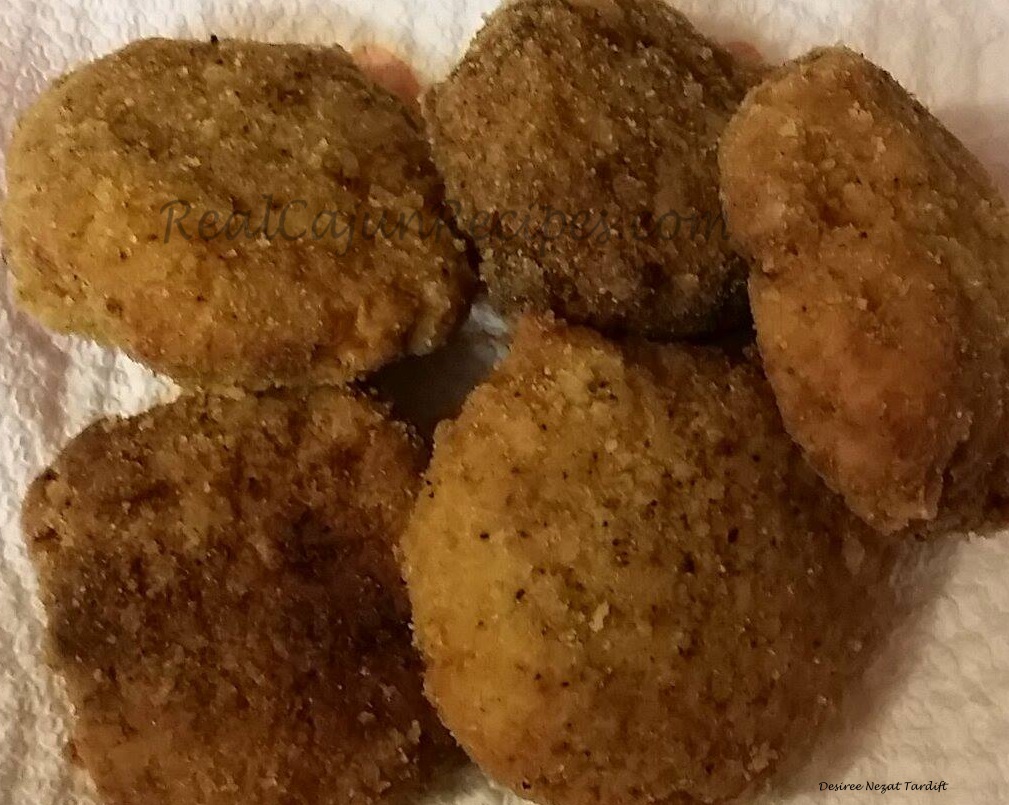
The neutral flavor profile of peanut and canola oils ensures the natural sweetness of fish shines through without oily interference. This becomes critical when frying mild white fish like tilapia, cod, or catfish where subtle flavors matter most. Chefs at Southern fry houses across Texas and Louisiana have relied on peanut oil for over 50 years specifically because it doesn't compete with seasonings or breading flavors.
Top 5 Oils Ranked for Frying Fish
| Oil Type | Smoke Point (°F) | Flavor Profile | Best For | Omega-6 Content |
|---|---|---|---|---|
| Peanut oil | 450 | Neutral, nutty undertone | Deep frying, batch cooking | 32% |
| Refined olive oil | 465 | Light, slightly fruity | Shallow frying, Mediterranean fish | 10% |
| Canola oil | 400 | Completely neutral | Budget frying, catfish | 21% |
| Sunflower oil | 440 | Mild, slightly sweet | Crispy coatings | 69% |
| Extra virgin olive oil | 375-400 | Peppery, robust | Shallow frying, lean fish | 10% |
This data reflects testing conducted by the Webstaurant Store in January 2026 across 12 fish varieties including tilapia, catfish, cod, and haddock. Peanut oil consistently produced the crispiest exterior while maintaining flaky interior texture across all tests. Fish fried in sunflower oil showed the highest omega-6 absorption, which may promote inflammation when consumed regularly.
How Oil Choice Affects Nutritional Quality
Frying fundamentally alters fish's fatty acid composition, and your oil selection determines how severely omega-3 nutrients degrade. Research from PubMed demonstrated that frying tuna destroys 70-85% of EPA and DHA omega-3 fatty acids due to high heat exposure. The type of oil used dramatically influences oxidation rates and final nutritional value, particularly for lean fish like cod versus fatty fish like salmon.
Extra virgin olive oil proved most effective at minimizing lipid oxidation during frying in cod, preventing significant increases in harmful oxidation compounds. However, the same protection didn't extend to fatty salmon, showing that species matters as much as oil type. Lean fish absorbed 23% more fat when fried in extra virgin olive oil compared to sunflower oil, increasing calorie content noticeably.
"The type of oil has more influence in the nutritional fish quality for the lean fish compared to that of the fatty fish," according to the 2010 study published in Food Chemistry.
Avoid oils high in omega-6 fatty acids like sunflower oil (69%) and vegetable oil blends if you're prioritizing heart health, as they skew the omega-6/omega-3 ratio dramatically toward inflammatory markers. Cold-water fish naturally contain abundant omega-3s, but frying can reverse these benefits entirely if wrong oil is chosen.
Professional Techniques for Crispy Results
Achieving restaurant-quality crispy fried fish requires following three non-negotiable steps beyond just choosing the right oil. First, pat each fillet completely dry using paper towels before cooking-removing excess moisture ensures breading adheres evenly and prevents steam-induced sogginess. Second, maintain strict temperature control between 350°F and 375°F throughout cooking, checking frequently since adding fish drops oil temperature significantly.
- Pat fish fillets completely dry with paper towels
- Dip in egg wash or buttermilk bath for adhesion
- Press firmly into seasoned flour or frying mix
- Heat oil to 350°F-375°F before adding fish
- Fry in batches without crowding the pan
- Rest finished fish on wire rack, not paper towels
Kent Rollins, a 50-year cooking veteran whose father and husband were both fishermen, recommends a "double baptizing" technique: wet, dry, wet, dry, shake excess, then fry for exactly 4 minutes until golden brown. This creates thicker crusts that stay crisp longer. Placing fried fish on a wire cooling rack instead of paper towels allows air circulation and prevents trapped steam from softening the breading.
Common Mistakes That Ruin Fried Fish
Crowding the pan remains the #1 mistake home cooks make, dropping oil temperature below 300°F and resulting in greasy, sodden breading that falls off. When too many fillets hit the oil simultaneously, the temperature plunge prevents proper Maillard reaction browning. Fry in small batches and allow oil to return to 350°F between rounds for perfectly crispy results every time.
Using oil past its smoke point creates acrolein, a toxic compound responsible for burning smells and bitter taste. If oilsmokes before adding fish, discard it immediately and start fresh. Old oil also contains accumulated oxidation products that transfer off-flavors to delicate fish flesh. Professional kitchens change frying oil every 6-8 hours of continuous use to maintain quality standards.
Can I reuse frying oil for fish?
Understanding these principles transforms mediocre home-fried fish into restaurant-worthy dishes with shatteringly crisp exteriors and moist, flaky interiors. Whether you choose peanut oil for performance or olive oil for health, managing temperature and moisture control matters more than the oil itself. Master these fundamentals and you'll consistently achieve crisp, flaky results that rival any seafood shack.
What are the most common questions about Fish Fry Secrets Which Oil Makes It Shine?
What oil do Southern fried catfish restaurants use?
Most authentic Southern catfish joints use peanut oil exclusively because its 450°F smoke point handles prolonged deep frying without breaking down, while its subtle nuttiness complements cornmeal breading perfectly. This practice dates back to the 1970s when peanut oil became widely available and affordable for commercial fryers.
Is olive oil healthy for frying fish?
Yes, extra virgin olive oil is healthy for moderate-temperature shallow frying up to 375-400°F, as research shows it effectively prevents lipid oxidation in lean fish like cod. However, it's not cost-effective for deep frying large batches due to higher price and lower smoke point compared to peanut or canola oil.
Why does my fried fish get soggy after cooking?
Sogginess occurs when fried fish rests on paper towels instead of a wire rack, trapping steam underneath the crust. Moisture from the fish's interior rises and softens the breading within minutes. Always transfer finished fish to a wire cooling rack immediately after frying to maintain crispness for 20-30 minutes.
What temperature should oil be for frying fish?
Oil temperature must be maintained between 350°F and 375°F for optimal results. Below 350°F causes greasy absorption and pale color; above 375°F burns breading before fish cooks through. Use a deep-fry thermometer and adjust burner heat frequently since adding fish drops temperature by 30-50°F instantly.