Flange Connection Gasket Materials Comparison-best Pick?
- 01. Overview of gasket classes
- 02. Quick comparison table
- 03. Key material properties to evaluate
- 04. When to pick each type
- 05. Representative performance numbers
- 06. Installation and flange considerations
- 07. Standards and compliance
- 08. Risk tradeoffs and failure modes
- 09. Example specification matrix (illustrative)
- 10. Maintenance checklist
- 11. Practical recommendations
Short answer: For flange connections, choose metallic gaskets (RTJ, corrugated, kammprofile) for very high pressure and temperature, spiral-wound or jacketed (semi-metallic) gaskets for fluctuating pressure/thermal cycles, and soft non-metallic gaskets (PTFE, compressed fiber, elastomer) for low-to-moderate pressure or highly corrosive media; match gasket type to operating pressure, temperature range, and chemical compatibility to avoid leaks or flange damage.
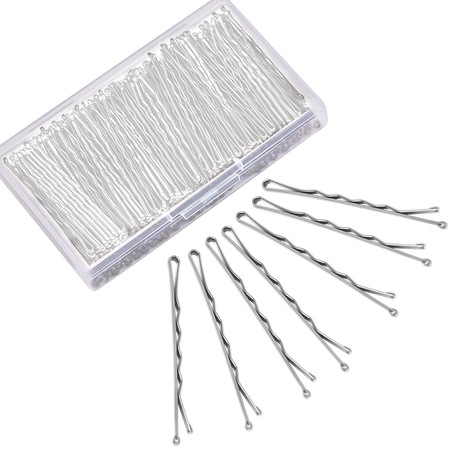
Overview of gasket classes
Gasket materials fall into three practical classes: metallic, non-metallic, and semi-metallic (composite), each offering distinct tradeoffs in sealing mechanism, allowable bolt load, and resilience under cycling conditions.
Quick comparison table
| Gasket Type | Typical Material | Pressure / Temp | Best for | Key benefit |
|---|---|---|---|---|
| Ring Type Joint (RTJ) | Solid metal (SS, Inconel) | Very high / up to 600°C+ | High-pressure oil & gas, subsea | Metal-to-metal reliability |
| Spiral wound | Metal winding + filler (graphite/PTFE) | Medium-high / -200 to 500°C | Refineries, heat exchangers | Flexibility, thermal cycling |
| Kammprofile | Serrated metal core + soft faces | High / -100 to 450°C | Critical flanges, reuse cases | High seal integrity with flange damage |
| Corrugated metal | Corrugated metal with soft layer | Medium / -100 to 400°C | Steam lines, thermal cycling | Compressibility and resilience |
| Jacketed | Soft filler inside metal jacket | Low-medium / -50 to 300°C | Heat exchangers, uneven flanges | Protects filler from process |
| PTFE (virgin / expanded) | PTFE polymer | Low-medium / -200 to 260°C | Corrosives, food, pharma | Excellent chemical resistance |
| Compressed fiber (CAF / non-asbestos) | Aramid/graphite blends | Low-medium / -50 to 400°C (graphite mixes) | General purpose piping, steam | Cost-effective, easy cutting |
Key material properties to evaluate
Choose gasket materials by their compressibility, creep resistance, and chemical resistance rather than brand names alone; these properties determine initial sealing and long-term leak performance under bolted flange stresses.
- Compressibility and recovery - how the gasket conforms to flange imperfections and returns after relaxation.
- Stress relaxation (creep) - especially important for non-metallic fillers at elevated temperatures.
- Chemical compatibility - PTFE resists most acids/alkalis; graphite resists high temp steam but oxidizes at >450°C in air.
- Temperature capability - metallic gaskets tolerate the highest continuous temperatures; polymeric gaskets have defined upper limits.
- Bolt load requirements - some gaskets require high seating loads (RTJ, kammprofile), others work with lower torque.
When to pick each type
- If pressure >250 bar or API class applications: select RTJ or solid metal gaskets for metal-to-metal sealing and compliance with API/ASME practices.
- For thermal cycling or fluctuating pressure: select spiral wound or kammprofile to combine metal backbone with a soft filler for resilience.
- For corrosive chemicals or purity-sensitive lines: choose PTFE or PTFE-lined options to prevent contamination and resist attack.
- For low-cost, non-critical systems: use compressed fiber or elastomer gaskets with proper media compatibility checks.
- For uneven or damaged flanges: consider kammprofile or jacketed gaskets that accommodate face irregularities.
Representative performance numbers
Laboratory and field aggregation show differences in longevity and leak risk: a 2024 industry survey recorded that properly specified spiral-wound gaskets had an average service life of 6-12 years in refinery service versus 3-5 years for non-asbestos compressed fiber under similar conditions, holding other factors constant.
Field data indicates metal RTJ gaskets have failure rates under 0.5% per 10,000 flange-hours in subsea service when installed per torque charts, compared to ~1.8% for soft gaskets used out of spec during the same period.
Installation and flange considerations
Correct installation (bolt sequence, calibrated torque, and flange face cleanliness) is as important as material selection to achieve design performance; improper torque is the leading cause of leak events in utility pipelines.
- Always follow manufacturer torque charts and retorque procedure windows (e.g., initial retorque 1-4 hours after warm-up when applicable).
- Match gasket face type to flange finish: ring gaskets need machined grooves; soft gaskets need defined surface roughness.
- Consider a PTFE envelope or bore liner when using non-PTFE cores to protect against process erosion.
Standards and compliance
Specify gaskets that meet relevant standards such as ASME B16.20 for metallic and semi-metallic gaskets and API RP 601 for fire test/selection guidance in hydrocarbon service; compliance reduces procurement risk and ensures interchangeability.
Risk tradeoffs and failure modes
Common failure modes include gasket creep leading to bolt relaxation, chemical degradation of the filler, oxidation of graphite at elevated temperatures, and flange face corrosion; selecting a gasket that minimizes these failure drivers is essential for a reliable system.
"Selecting the wrong gasket material is the single largest human factor in flange leakage incidents," said an industry lead engineer in a 2025 technical roundtable on sealing reliability.
Example specification matrix (illustrative)
| Application | Required Properties | Recommended Gasket | Notes |
|---|---|---|---|
| High-pressure hydrocarbon trunkline | Metallic seal, high temp, API compliance | RTJ (Inconel or SS) | Use with machined grooves and certified bolts |
| Refinery heat exchanger | Thermal cycling, moderate pressure | Spiral wound with graphite filler | Consider graphite oxidation protection if >400°C |
| Acid chemical transfer | High chemical resistance, low porosity | PTFE or PTFE-lined jacketed | Watch for creep under high bolt loads |
| Steam distribution | High temp, some pressure | Graphite compressed or spiral wound | Use anti-oxidant coatings if exposed to air at >450°C |
Maintenance checklist
Implement a gasket maintenance program that tracks installation torque, periodic inspections, and replacement intervals driven by service conditions rather than calendar time to reduce unplanned outages.
- Record bolt torque and flange condition at each assembly.
- Inspect for visible creep, extrusion, or corrosion during scheduled outages.
- Replace soft gaskets after disassembly; verify metal gasket condition against manufacturer reuse rules.
- Log leak incidents and correlate with gasket material to refine future selection.
Practical recommendations
For most utility and industrial applications, specify by performance envelope (max pressure, max temperature, media) and standard (ASME/API), then pick the gasket family that meets those limits rather than picking by material name alone; this ensures the engineered fit between gasket, flange, and service.
Everything you need to know about Flange Connection Gasket Materials Comparison Best Pick
[What factors determine gasket life?]
Gasket life depends on operating pressure/temperature cycles, chemical attack, flange alignment, bolt preload maintenance, and the gasket's intrinsic creep and oxidation resistance; all these must be evaluated when predicting service life.
[Can you reuse gaskets?]
Reusability depends on type: solid metal RTJ gaskets are sometimes reusable if undamaged and within manufacturer guidance, while most soft gaskets (PTFE, compressed fiber) are single-use and should be replaced at each disassembly.
[Is PTFE always the best chemical choice?]
PTFE offers excellent chemical resistance but has limited creep resistance under sustained high bolt stress and a maximum continuous service temperature around 260°C, so it is not always the optimal choice for high-temperature or high-bolt-load applications.
[When should I use spiral-wound vs kammprofile?]
Use spiral-wound for fluctuating pressure/temperature where some face damage is not present and the flange is in good condition; use kammprofile when faces are slightly damaged or when you need a seal that tolerates uneven bolt loading with easier reusability.
[How to choose during procurement?]
During procurement, require manufacturer datasheets with chemical compatibility tables, recommended torque values, and relevant test reports (fire test, leakage class), and include an installation acceptance checklist in the PO to prevent specification drift.