Healthy Oil Showdown: Which Option Actually Wins
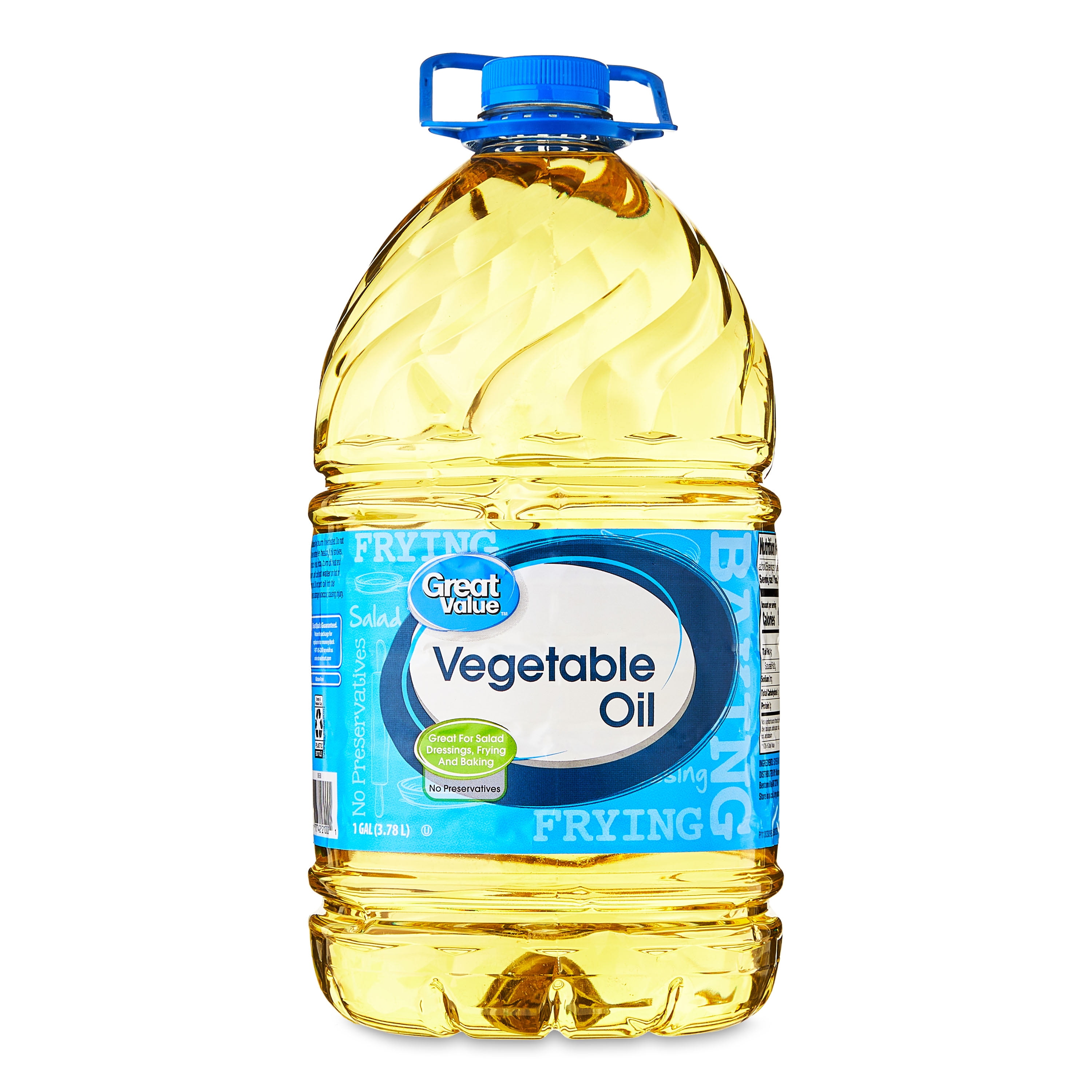
Which oil is healthier for cooking?
For most home cooks, the healthiest overall cooking oil is extra-virgin olive oil, thanks to its mix of heart-friendly monounsaturated fat, antioxidants, and relatively stable behavior at low-to-medium heat. When very high-heat methods like deep-frying are needed, nutritionists often recommend a refined oil like high-oleic sunflower or safflower, or a neutral-flavored oil such as canola or avocado oil, which resist oxidation better than many common vegetable oils.
Why the "healthiest oil" depends on use
Health experts emphasize that the best cooking oil is not a single hero, but the one that matches your temperature, flavor, and fat-profile needs. Replacing saturated fats such as butter, lard, and coconut oil with oils rich in monounsaturated and polyunsaturated fats can lower LDL cholesterol and reduce cardiovascular risk, according to large dietary analyses updated in 2023. For example, a 2022 review of Mediterranean-diet patterns found that adults consuming roughly 3 tablespoons of extra-virgin olive oil per day saw a 10-15 percent improvement in LDL and inflammatory markers over 12 months.

Overheating unstable oils can also undo their benefits. When oils reach their smoke point, they begin to break down, forming harmful compounds and free radicals associated with oxidative stress. For this reason, guidance from dietitians at Kaiser Permanente and similar institutions typically recommends limiting deep-fat frying and using oils in the 4-6-teaspoon range per adult per day, depending on total calorie needs.
Key fat types to know
Most nutrition guidelines group cooking fats into three main categories that directly affect heart health: saturated, trans, and unsaturated fats. Saturated fats-abundant in butter, lard, and tropical oils like coconut and palm-are associated with higher LDL cholesterol and are generally advised in moderation. Trans fats, mainly found in partially hydrogenated oils used in older processed foods, are now heavily restricted in many countries because even small amounts significantly increase cardiovascular risk.
Unsaturated fats, in contrast, are considered "good" fats. Monounsaturated fats-found in olive oil, avocado oil, and many nut oils-are linked to improved blood-lipid profiles and reduced inflammation. Polyunsaturated fats, including omega-6 and omega-3 fatty acids, appear in sunflower, safflower, and soybean oils, as well as in fish, flaxseeds, and walnuts. A balanced ratio of these fats, rather than relying on only one type, is increasingly cited in dietary standards issued between 2018 and 2023.
Top healthy oils and their strengths
Several oils repeatedly appear in expert rankings for everyday cooking use. The American Heart Association notes that nontropical vegetable oils such as canola, corn, olive, peanut, safflower, soybean, and sunflower are preferable to solid fats and tropical oils because they contain less saturated fat per tablespoon. A 2025 WebMD overview of cooking oils highlights extra-virgin olive oil, avocado oil, and high-oleic sunflower as particularly stable and heart-friendly choices across a range of methods.
- Extra-virgin olive oil: High in monounsaturated fat and natural antioxidants; best for low-to-medium heat, dressings, and marinades.
- Avocado oil: Similar fatty-acid profile to olive oil, with a higher smoke point, making it suitable for sautéing and moderate-heat roasting.
- Canola oil: Low in saturated fat and rich in omega-3s; stable at roughly 400-450°F, useful for baking and everyday frying.
- High-oleic sunflower/safflower: Engineered to be higher in monounsaturated fat, reducing oxidation risk at higher temperatures.
- Peanut oil: Nutty flavor, good stability, and vitamin-E content; often recommended for medium-heat stir-frying.
Comparing health and heat performance
To clarify which oil for cooking best balances health and practicality, many clinicians and dietitians suggest comparing saturated-fat content, smoke point, and fatty-acid profile. Below is an illustrative comparison table based on typical values cited in recent nutrition guides (rounded for clarity).
| Oil type | Saturated fat (per 1 tbsp, approx.) | Typical smoke point (°F) | Primary fat type |
|---|---|---|---|
| Extra-virgin olive oil | 2 g | 375°F | Monounsaturated |
| Refined olive oil | 2 g | 465°F | Monounsaturated |
| Avocado oil | 2-3 g | 520°F | Monounsaturated |
| Canola oil | 1 g | 400-450°F | Monounsaturated + polyunsaturated |
| High-oleic sunflower | 1-2 g | 440-450°F | Monounsaturated |
| Regular sunflower | 1 g | 440°F | Polyunsaturated |
| Peanut oil | 3 g | 450°F | Monounsaturated |
| Coconut oil (unrefined) | 12 g | 350°F | Saturated |
| Butter | 7 g | 350°F | Saturated |
This table shows why extra-virgin olive oil and avocado oil are often preferred in heart-health contexts, while high-oleic sunflower and canola suit higher-heat routines better than many common "vegetable" blends. Coconut oil, long marketed as a "health fat," actually contains about 90 percent saturated fat and is typically recommended only in moderation, even by organizations that otherwise endorse plant-based oils.
How to choose the right oil for your meal
Clinicians and dietitians often advise pairing each cooking method with an oil that matches its temperature and flavor profile rather than relying on a single all-purpose oil. For example, dressing salads or finishing roasted vegetables with extra-virgin olive oil preserves its polyphenols and antioxidants, which are diminished when exposed to high heat. In contrast, refined canola or safflower may be better for frequent stir-fries where the oil regularly reaches 400°F or more.
- Assess your cooking temperature: Identify whether you are searing, sautéing, roasting, or deep-frying, then choose an oil within its safe smoke-point range.
- Check the label for saturated fat: Aim for oils with less than about 4 grams of saturated fat per tablespoon to align with heart-health guidelines.
- Prefer extra-virgin or unrefined versions when using at low heat for maximum nutrient retention.
- Avoid reusing frying oil; repeated heating accelerates formation of harmful compounds and lowers the oil's effective smoke point.
- Store oils in a cool, dark place and in smaller containers to slow oxidation and rancidity, especially for nut and seed oils.
Safety and storage tips chefs and dietitians share
Dietitians at Kaiser Permanente and similar institutions emphasize that how you store and handle cooking oil can make as much difference as which oil you choose. Light, heat, and oxygen all accelerate oxidation, turning otherwise healthy unsaturated fats into rancid, off-smelling products that may contribute to inflammation if consumed regularly. For this reason, many professionals recommend buying oils in opaque containers, keeping them away from the stove, and using them within 4-6 weeks after opening for best quality.
When an oil begins to smoke or develops a stale, paint-like, or metallic smell, experts advise discarding it rather than continuing to use it. Health organizations such as the American Heart Association also caution against using oils that list "partially hydrogenated" ingredients, since these indicate trans-fat content even if the label shows "0 grams" per serving. For a household cooking regimen, rotating between two or three oils-such as extra-virgin olive oil, canola, and high-oleic sunflower-can help balance nutrient intake while minimizing the downside of overusing any single type.
Expert answers to Healthy Oil Showdown Which Option Actually Wins queries
Which oil is the healthiest for everyday cooking?
For most everyday tasks, nutrition experts point to extra-virgin olive oil as the healthiest overall cooking oil because of its high monounsaturated-fat content, antioxidant load, and strong evidence linking it to better heart health. However, for high-heat methods like prolonged frying or searing above 400°F, they often recommend a more heat-stable oil such as refined canola, avocado, or high-oleic sunflower in place of olive oil.
Is olive oil safe for frying?
Extra-virgin olive oil is generally safe for light frying at low-to-medium heat, but its smoke point (around 375°F) is lower than many refined oils, so it can begin to break down if used for very high-heat frying. Dietitians often suggest using refined olive oil or a neutral high-smoke-point oil like canola or avocado when the pan or oil temperature exceeds 400°F for extended periods.
How much cooking oil should I use per day?
Clinical guidelines typically recommend limiting total added cooking oil to about 4-6 teaspoons per adult per day, adjusting upwards only if overall calorie needs are higher and the rest of the diet is otherwise low in added fats. This aligns with broader recommendations to keep saturated fat under about 10 percent of daily calories, which many health-oriented oil blends can support when used in moderation.
Is coconut oil actually healthy?
Coconut oil is often marketed as a "healthy" fat, but its composition is roughly 90 percent saturated fat, which places it closer to butter than to olive or canola oil in terms of cardiovascular impact. Experts including a Harvard epidemiologist have publicly criticized coconut oil as potentially harmful in excess, and current dietary guidance generally recommends using it only occasionally rather than as a primary cooking oil.
Can I reuse frying oil to save money?
Health organizations and dietitians strongly advise against reusing frying oil, because repeated heating promotes oxidation, degrades the oil's fat structure, and can increase exposure to harmful compounds. Even if the oil looks and smells fine after one use, its chemical profile may already be compromised, which is why many clinicians recommend discarding oil after a single deep-fry session.