How Brake Fluid Harms Ecosystems And What You Can Do About It
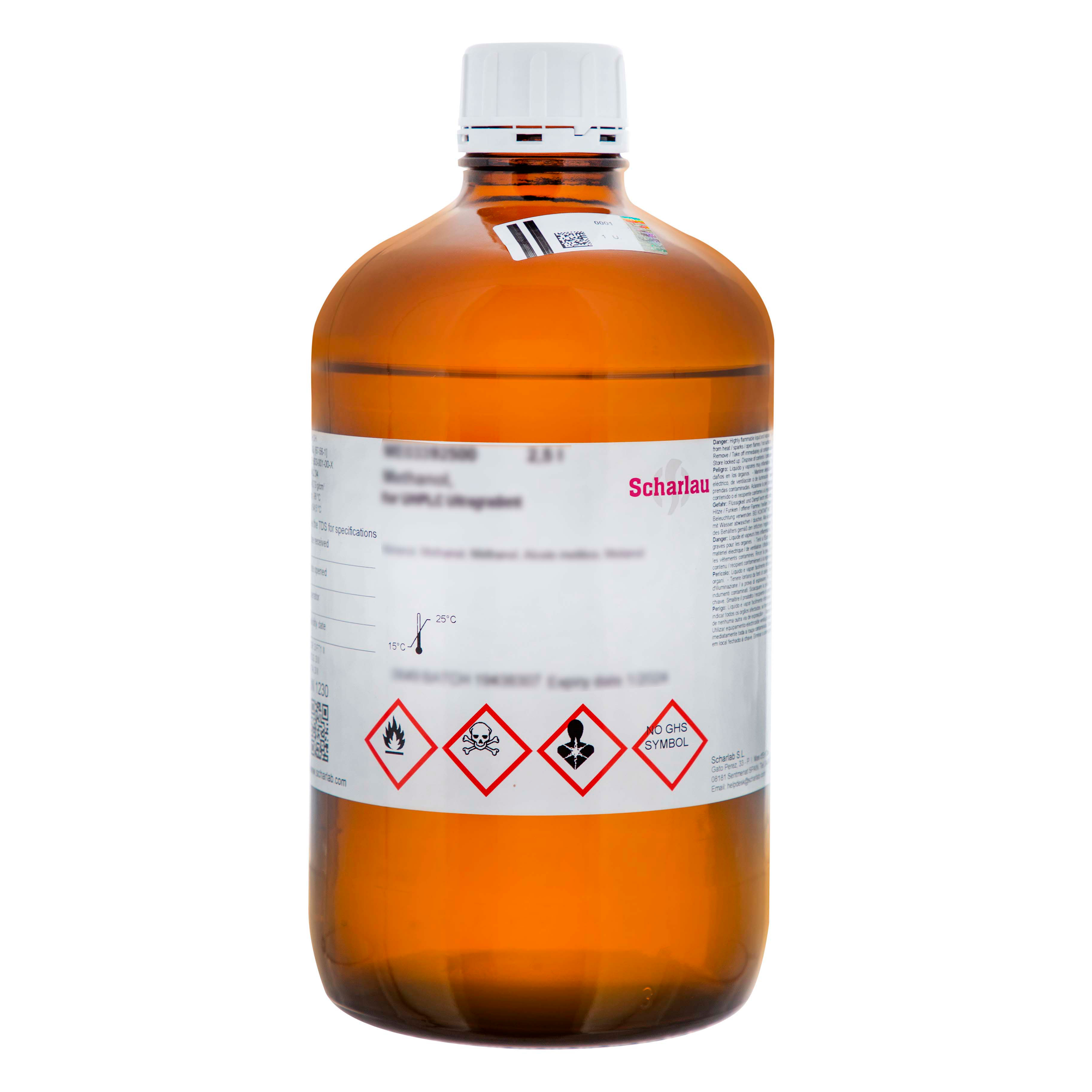
- 01. The Chemical Composition That Makes Brake Fluid Dangerous
- 02. Immediate Effects on Aquatic Ecosystems
- 03. Soil Contamination and Groundwater Risks
- 04. Biodegradability and Persistence Data
- 05. How Brake Fluid Leaks Occur in the Environment
- 06. Long-Term Ecosystem Consequences
- 07. Proper Disposal and Prevention Strategies
- 08. Economic and Regulatory Implications
- 09. Conclusion: The Critical Importance of Proper Handling
Brake fluid is highly toxic to ecosystems, particularly aquatic environments, because most formulations contain ethylene glycol or diethylene glycol ethers that are poisonous to fish, invertebrates, and plants even at low concentrations. When brake fluid leaks from vehicles into soil or waterways, it can kill aquatic organisms, contaminate groundwater, and persist in the environment due to low biodegradability-studies show petroleum-based brake fluids achieve less than 50% biodegradation in freshwater and as little as 1-2.5% in marine ecosystems.
The Chemical Composition That Makes Brake Fluid Dangerous
Understanding the chemical composition of brake fluid reveals why it poses such significant ecological risks. Most automotive brake fluids fall into three categories: DOT 3, DOT 4, and DOT 5, with the first two being glycol-based and the third being silicone-based. Glycol ether-based fluids dominate the market and contain ethylene glycol or diethylene glycol as primary ingredients, both of which are hygroscopic (absorb moisture from air) and highly toxic when released into environmental systems.

The sweet taste of diethylene glycol makes leaking brake fluid particularly dangerous because it attracts dogs, wildlife, and children, increasing the likelihood of ingestion and further environmental contamination. Safety data sheets explicitly warn that spills discharge to natural waterways are likely to kill aquatic organisms and must be prevented from entering soil, ditches, sewers, waterways, and groundwater.
Immediate Effects on Aquatic Ecosystems
When brake fluid enters water bodies, the immediate effects on aquatic life can be devastating. Research indicates that the LC50 (lethal concentration for 50% of test subjects) for fish in semi-static 96-hour tests exceeds 1,800 mg/l, while Daphnia magna (water fleas) show an EC50 (effective concentration) greater than 3,200 mg/l in 48-hour static tests. While these numbers might appear high, even localized spills near waterways can create concentrations far exceeding these thresholds.
A particularly alarming finding from environmental research shows that contaminated sediment from automotive pollutants increased mortality by almost 30 percent in aquatic organisms, with fertility decreasing noticeably and population growth rates significantly reduced depending on concentration levels. The toxic mixture of pollutants contained in automotive fluids has a more toxic effect on aquatic organisms than each individual component would have on its own due to synergistic effects.
Soil Contamination and Groundwater Risks
The soil contamination pathway is equally concerning because brake fluid has high mobility in soil according to safety data assessments, meaning it can rapidly percolate through ground layers and reach aquifers. Once in groundwater, contamination can spread over large distances and persist for extended periods, making remediation extremely difficult and costly.
Safety data sheets mandate that environmental pollution occurrences involving sewers, waterways, soil, or air must be reported to relevant authorities immediately. This regulatory requirement underscores the recognized severity of brake fluid's environmental impact and the legal obligations surrounding its handling and disposal.
Biodegradability and Persistence Data
One of the most critical ecological concerns is that brake fluid demonstrates very low biodegradability in both freshwater and marine environments. Research published on brake fluid biodegradability showed the following rates:
| Brake Fluid Brand/Type | Freshwater Biodegradation % | Marine Water Biodegradation % |
|---|---|---|
| Total brake fluid | 20% | 2.3% |
| Allied brake fluid | 40% | 1% |
| Oando brake fluid | 44% | 2.5% |
| Ate brake fluid | 13.3% | 2.1% |
The study findings strongly suggest that lubricating brake fluids are not readily biodegradable, having biodegradability less than 50% according to ASTM 2003 standards. This persistence means brake fluid contaminants can remain in ecosystems for extended periods, continuously exposing organisms to toxic compounds.
How Brake Fluid Leaks Occur in the Environment
- Worn brake lines or hoses develop cracks allowing fluid to drip onto roadways
- Improper disposal during brake fluid changes at home or unregulated shops
- Vehicle accidents that rupture brake fluid reservoirs or lines
- Corroded master cylinders or wheel cylinders leaking during operation
- Overfilled reservoirs causing overflow during temperature expansion
Any brake fluid leak is cause for concern not only for vehicle safety but also for environmental protection, as the pressure loss affecting stopping power correlates directly with environmental contamination risk. When brake fluid leaks, it leads to loss of pressure in the brake line, and the escaping fluid finds its way into storm drains, soil, and nearby water bodies.
Long-Term Ecosystem Consequences
The long-term consequences extend beyond immediate toxicity. Research indicates that reproductive disruptions observed in aquatic organisms exposed to automotive pollutants could potentially persist over several generations. This multi-generational impact means a single contamination event could affect ecosystem health for years.
Tire and brake abrasion particles contain a multitude of chemicals and pollutants that can accumulate in body tissue, potentially creating cascading effects on freshwater ecosystems via the food chain. Biomagnification means predators at higher trophic levels may receive concentrated doses of toxins originally present at low concentrations in water.
Proper Disposal and Prevention Strategies
Preventing environmental contamination requires strict adherence to proper disposal protocols. Brake fluid should never be poured down storm drains or onto the ground since this causes contamination of water or soil. Small spills should be absorbed with materials like sand or vermiculite and collected in suitable, properly labeled containers.
For large spills, containment of spilled material should occur if possible, followed by pumping into suitable labeled containers for proper hazardous waste disposal. Only licensed hazardous waste facilities should process used brake fluid to ensure environmental protection.
Economic and Regulatory Implications
The regulatory framework surrounding brake fluid disposal reflects its recognized environmental danger. Improper disposal is illegal in most jurisdictions, and facilities handling used brake fluid must comply with hazardous waste regulations. The economic cost of environmental remediation far exceeds the cost of proper disposal, making prevention the most economically sound approach.
Research into production of biobased lubricating oils that are environmentally friendly, cost-effective, and efficient in performance is highly recommended given the poor biodegradability of current petroleum-based brake fluids. This scientific direction represents the future of automotive fluids designed with ecosystem protection as a primary consideration.
Conclusion: The Critical Importance of Proper Handling
Brake fluid toxicity to ecosystems represents a significant but often overlooked environmental hazard. The combination of high toxicity to aquatic organisms, low biodegradability, high soil mobility, and potential for multi-generational ecological impacts makes proper handling essential. Every vehicle owner, repair shop, and automotive industry participant shares responsibility for preventing brake fluid from entering environmental systems through careful maintenance, proper disposal, and immediate containment of any leaks or spills.
Expert answers to How Brake Fluid Harms Ecosystems And What You Can Do About It queries
Is brake fluid toxic to fish and aquatic life?
Yes, brake fluid is highly toxic to fish and aquatic organisms. Safety data sheets explicitly state that spills discharge to natural waterways are likely to kill aquatic organisms, with LC50 values for fish at 1,800 mg/l and EC50 for water fleas at 3,200 mg/l.
Can brake fluid contaminate groundwater?
Absolutely. Brake fluid has high mobility in soil and can rapidly percolate through ground layers to reach aquifers, contaminating groundwater sources. Safety data predicts high mobility in soil with the product not classified as persistent but requiring prevention from entering groundwater.
How long does brake fluid persist in the environment?
Brake fluid demonstrates very low biodegradability, with studies showing less than 50% degradation in freshwater (ranging from 13.3% to 44%) and only 1-2.5% in marine water, indicating significant environmental persistence.
What should I do if brake fluid spills on the ground?
Immediately absorb small spills with sand or vermiculite, collect in properly labeled containers, and prevent entry into soil, ditches, sewers, or waterways. For large spills, contain the material and pump into labeled containers. Report environmental pollution to relevant authorities.
Is all brake fluid equally toxic to ecosystems?
No, toxicity varies by formulation. Glycol-based fluids (DOT 3, DOT 4) containing ethylene glycol or diethylene glycol are highly toxic, while mineral oil-based and silicone-based (DOT 5) fluids show different toxicity profiles. DOT 5 has low bioaccumulative potential and is not classified as PBT.
Why do pets get attracted to brake fluid spills?
Diethylene glycol has a sweet taste that attracts dogs and other animals, increasing ingestion risk. Spills can specifically attract dogs and other wildlife, creating both environmental and animal safety hazards.