Instrument Cluster Self Test: Fix Your Fuel Gauge Fast

To run an instrument cluster fuel gauge self test, turn the key to ON with the engine off, hold the trip/odometer or Sel/Reset button, and watch for a gauge sweep or test mode that cycles the needles and warning lights; on many Ford and Honda-style clusters, that sequence quickly tells you whether the fuel gauge, cluster motor, or display is the problem.
What the self-test does
The cluster self-test is a built-in diagnostic routine that forces the needles, warning lamps, and display segments to move through a controlled sequence so you can see whether the fuel gauge responds correctly. In practical terms, it helps separate a bad sender unit, wiring fault, or tank issue from a failed gauge motor or instrument-cluster board problem.
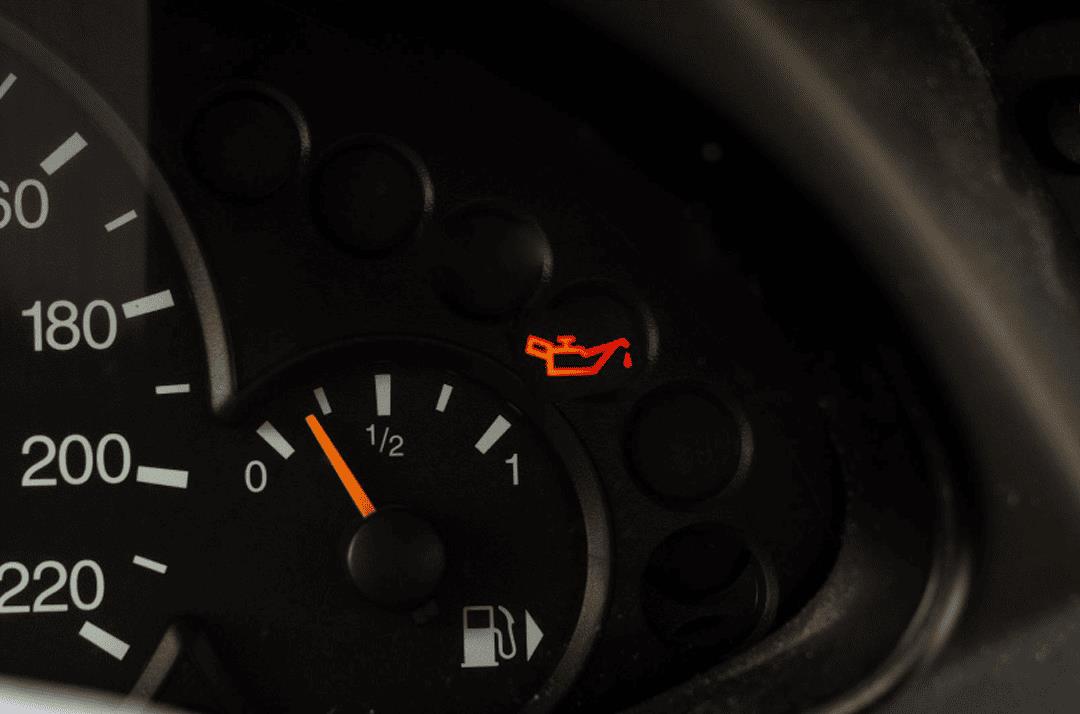
On some vehicles, especially Ford trucks and many Honda models, the test can be started from the odometer or reset button without any scan tool, which is why it remains a fast first check for an apparently dead or inaccurate gauge.
Typical procedure
The exact steps vary by make and model, but the common pattern is simple: ignition on, engine off, press and hold the cluster button, then wait for the self-test sequence to start.
- Park safely, set the parking brake, and keep the engine off.
- Turn the ignition key to ON or the equivalent accessory-on position.
- Press and hold the trip, odometer, or Sel/Reset button on the cluster.
- Watch for the needles to sweep from minimum to maximum and for indicator lamps to illuminate.
- Release the button when the test mode begins, then observe whether the fuel needle moves smoothly and returns correctly.
What to observe
A healthy cluster usually performs a full needle sweep, lights multiple warning icons, and then displays diagnostic information or returns to normal operation. If the speedometer and tachometer move but the fuel gauge stays stuck, jumps erratically, or sweeps only partway, that is a strong clue that the gauge motor or cluster circuitry may be failing.
If nothing happens at all, the button may not be the correct one for your vehicle, the cluster may not support a built-in self-test, or the instrument panel may have a power, ground, or communication issue.
Example vehicle patterns
Many 2004-2008 Ford F-150 trucks enter test mode by holding the odometer button with the key on, then waiting for a gauge sweep and information readout. Some Acura and Honda procedures use the Sel/Reset control near the fuel gauge and require a timed sequence of headlight and ignition inputs.
| Vehicle type | Common entry control | Typical result |
|---|---|---|
| Ford trucks | Odometer / trip button | Needles sweep, display shows test or info mode |
| Honda / Acura models | Sel/Reset button | Instrument lights and gauge cycling test |
| Generic older clusters | Reset button or scan-tool access | May require electrical diagnosis if no self-test exists |
How to read the result
If the cluster self-test passes, the instrument panel itself is probably capable of moving the fuel needle, which shifts suspicion toward the tank sender, wiring harness, fuse, or grounding path. If the self-test fails only on the fuel gauge, the cluster's stepper motor or internal circuitry is a more likely culprit.
"A gauge that sweeps correctly in test mode but reads wrong on the road is usually a signal problem, not a needle problem."
If the gauge fails in both normal driving and self-test, the fault is more likely inside the cluster or in the electrical path feeding it.
Common causes
- Failed fuel sender in the tank, which can make the needle stay empty or full incorrectly.
- Bad cluster stepper motor or internal circuit fault, especially when only one gauge misbehaves.
- Loose connector, corroded pin, or broken wire between the tank and the dash.
- Blown fuse or cluster power issue, especially if the whole panel is dark.
- Wrong test sequence for the specific vehicle, which can make a working cluster appear unresponsive.
Fast troubleshooting path
Start with the self-test because it is the quickest way to decide whether you are dealing with a dash problem or a tank problem. Then inspect the fuel sender circuit, because a failing sender is a frequent reason a gauge reads empty even when the tank has fuel.
For older analog gauges, technicians often simulate sender resistance with known resistors and a 12-volt source to see whether the needle lands near expected positions such as half or full. That kind of bench test is useful when the cluster is removed and the self-test alone does not explain the fault.
Safety notes
Do the test with the vehicle parked, in park or neutral as appropriate, and the parking brake engaged. If the procedure repeatedly cycles headlights or other loads, avoid unnecessary battery drain and restore any removed fuses before driving.
When to stop
If the cluster fails the self-test, the fuel reading is erratic, or multiple gauges are dead, the most efficient next step is deeper electrical diagnosis or professional repair. If the self-test passes but the fuel level is still wrong, focus on the sender unit, wiring, and connectors rather than replacing the whole cluster immediately.
Helpful tips and tricks for Instrument Cluster Self Test Fix Your Fuel Gauge Fast
Can I test the fuel gauge without a scan tool?
Yes, on many vehicles you can trigger a built-in cluster self-test with the ignition and cluster buttons alone, which is why this is such a popular first diagnostic step.
What if the fuel gauge does not move during the test?
If the rest of the cluster works but the fuel needle does not sweep, the gauge motor or cluster electronics are likely at fault.
Does a passing self-test mean the sender is good?
No. A passing self-test only proves the gauge can move under test conditions; it does not rule out a bad sender, wiring fault, or connector problem in the tank circuit.
Is this procedure the same for every car?
No. The button sequence and results differ by brand and model, and some vehicles require a different reset button, a timed ignition sequence, or a scan tool.