Magellan: First To Circumnavigate Or Not?
- 01. What Magellan Actually Achieved
- 02. Why Magellan Did Not Complete the Journey
- 03. The First True Circumnavigation
- 04. Who Was Juan Sebastián Elcano?
- 05. Key Differences: Magellan vs. Elcano
- 06. Why Magellan Still Gets Credit
- 07. Step-by-Step Timeline of the Voyage
- 08. Historical Impact of the Voyage
- 09. Common Misconceptions
- 10. FAQs
No-Ferdinand Magellan was not the first person to sail all the way around the world. While he led the first expedition to successfully circumnavigate the globe (1519-1522), Magellan himself died in the Philippines in 1521 and never completed the journey. The first people to fully circumnavigate Earth were members of his crew, most notably the Spanish navigator Juan Sebastián Elcano, who captained the final leg back to Spain.
What Magellan Actually Achieved
The Magellan expedition remains one of the most significant voyages in maritime history. Departing from Seville on September 20, 1519, with five ships and about 270 men, the fleet aimed to find a western route to the Spice Islands (modern-day Indonesia). By November 1520, Magellan successfully navigated the treacherous strait at the southern tip of South America-now called the Strait of Magellan-proving that the Atlantic and Pacific Oceans were connected.
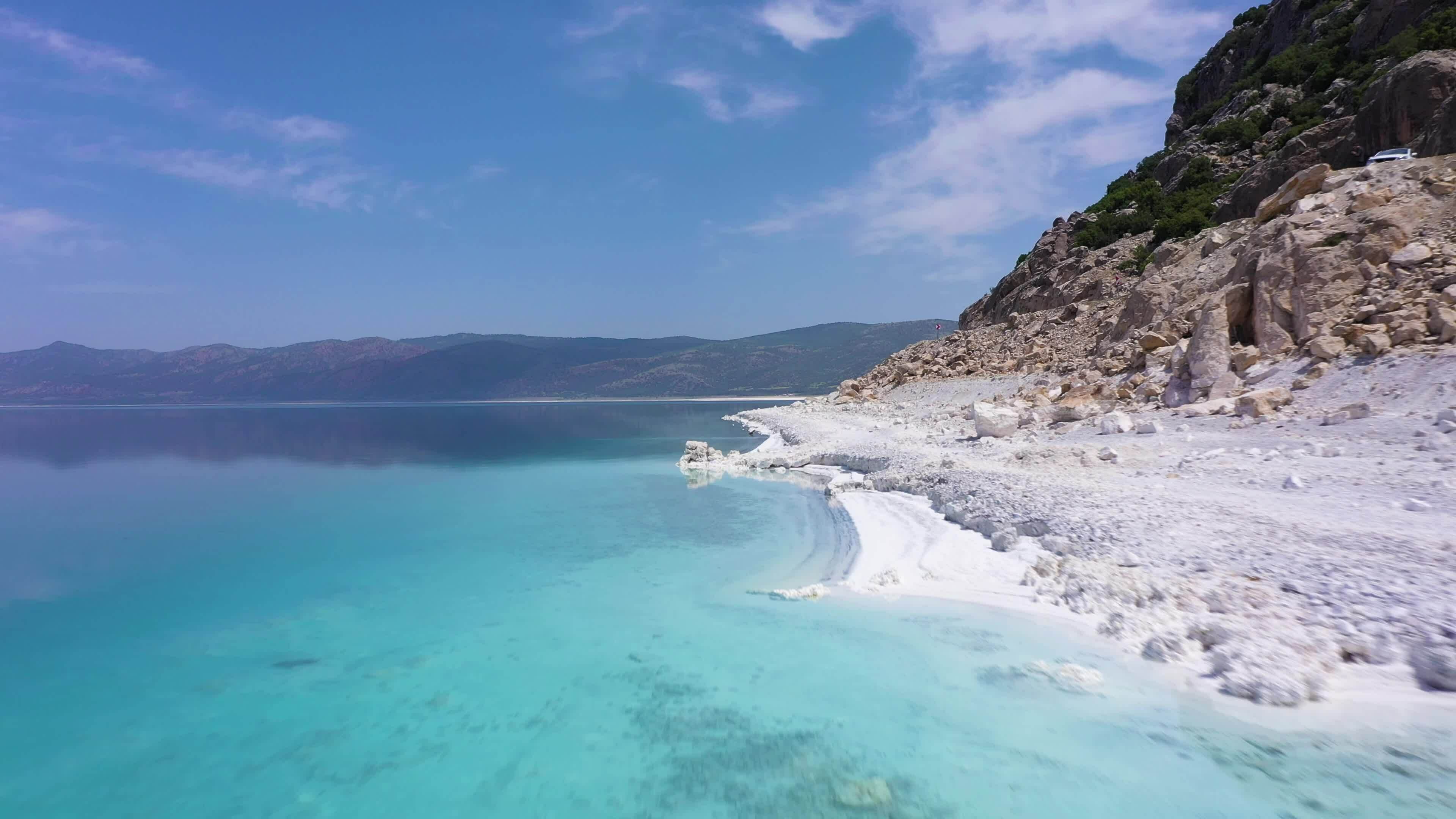
The expedition then crossed the vast Pacific Ocean, a journey that took over three months with minimal supplies, leading to severe starvation among the crew. According to historical logs, more than 80% of the crew suffered from malnutrition during this crossing, highlighting the extreme difficulty of early global navigation.
Why Magellan Did Not Complete the Journey
Although Magellan's leadership was central to the expedition, he was killed on April 27, 1521, during the Battle of Mactan in the Philippines. He became involved in a local conflict while attempting to convert indigenous leaders to Christianity and assert Spanish influence. His death meant he never witnessed the completion of the circumnavigation he had initiated.
After Magellan's death, leadership passed through several hands before Juan Sebastián Elcano took command of the remaining ship, the Victoria. By that point, only two ships and fewer than 120 men remained from the original fleet.
The First True Circumnavigation
The actual completion of the global circumnavigation occurred on September 6, 1522, when the Victoria returned to Spain with just 18 surviving crew members. This marked the first time a single expedition had sailed westward around the entire globe and returned to its starting point.
- Departure date: September 20, 1519.
- Return date: September 6, 1522.
- Total duration: Approximately 1,082 days.
- Initial crew: Around 270 sailors.
- Survivors: 18 men (about 6.7%).
- Ships at start: 5 vessels.
- Ships that returned: 1 (Victoria).
These numbers illustrate how perilous early exploration was and underscore why the achievement is considered extraordinary despite Magellan's absence at its completion.
Who Was Juan Sebastián Elcano?
Juan Sebastián Elcano, a Basque mariner, played a decisive role in completing the historic voyage. After taking command, he navigated the Victoria westward across the Indian Ocean and around the Cape of Good Hope, avoiding Portuguese-controlled routes. His leadership ensured the expedition's survival and ultimate success.
Elcano later received recognition from the Spanish crown, including a coat of arms bearing the Latin inscription "Primus circumdedisti me" ("You were the first to circumnavigate me"), symbolizing his role in completing the journey.
Key Differences: Magellan vs. Elcano
| Aspect | Ferdinand Magellan | Juan Sebastián Elcano |
|---|---|---|
| Role | Expedition leader (1519-1521) | Final captain (1521-1522) |
| Completed circumnavigation? | No | Yes |
| Date of death | April 27, 1521 | August 4, 1526 |
| Main contribution | Route discovery and Pacific crossing | Successfully returned to Spain |
This comparison clarifies that while Magellan initiated the world-changing expedition, Elcano ensured its completion.
Why Magellan Still Gets Credit
Despite not finishing the journey, Magellan is often associated with the first circumnavigation because he conceived, organized, and led the most critical portions of the expedition. His navigation of the Strait of Magellan and crossing of the Pacific Ocean were groundbreaking achievements that reshaped global geography.
Historians emphasize that without Magellan's vision and leadership, the age of exploration might have progressed more slowly. His expedition provided the first empirical proof that Earth could be circumnavigated by sea and revealed the true scale of the Pacific Ocean.
"Magellan did not finish the voyage, but without him, it would not have begun," noted historian Laurence Bergreen in his 2003 study of early exploration.
Step-by-Step Timeline of the Voyage
- September 1519: Fleet departs Spain under Magellan's command.
- October 1520: Discovery and navigation of the Strait of Magellan.
- March 1521: Arrival in the Philippines after crossing the Pacific.
- April 1521: Magellan is killed at the Battle of Mactan.
- 1521-1522: Elcano assumes command and continues westward.
- September 1522: Victoria returns to Spain, completing the circumnavigation.
This sequence highlights how the expedition evolved from a Magellan-led mission into a successful global maritime achievement under Elcano.
Historical Impact of the Voyage
The expedition fundamentally changed European understanding of the world. It confirmed that Earth was round in a practical sense and demonstrated the feasibility of global sea routes. It also provided valuable data on ocean currents, trade winds, and global distances.
Economically, the journey proved that accessing Asian spices via western routes was possible, though not always efficient. The expedition returned with cloves valued at more than the entire cost of the voyage, underscoring the economic stakes of the spice trade era.
Common Misconceptions
Several myths persist about Magellan's role in circumnavigation. These misconceptions often stem from simplified historical narratives taught in schools.
- Magellan was the first to sail around the world (false).
- He completed the entire journey himself (false).
- Only one person circumnavigated the globe (false; at least 18 did).
- The voyage was planned as a circumnavigation from the start (partially true).
Understanding these nuances helps clarify the real significance of the first circumnavigation and the collaborative nature of exploration.
FAQs
What are the most common questions about Magellan First To Circumnavigate Or Not?
Was Magellan the first person to circumnavigate the Earth?
No, Magellan did not complete the journey. The first people to circumnavigate the Earth were members of his expedition, led back to Spain by Juan Sebastián Elcano in 1522.
Who actually completed the first circumnavigation?
Juan Sebastián Elcano and 17 surviving crew members completed the first full circumnavigation when they returned to Spain aboard the Victoria.
Why is Magellan still famous for circumnavigation?
Magellan is credited because he organized and led the expedition through its most critical phases, including discovering the route through South America and crossing the Pacific Ocean.
How long did the first circumnavigation take?
The voyage lasted nearly three years, from September 1519 to September 1522, totaling about 1,082 days.
How many people survived Magellan's expedition?
Only 18 of the approximately 270 crew members survived the entire journey, making it one of the deadliest exploration missions in history.
What was the significance of the voyage?
The expedition proved that the Earth could be circumnavigated by sea, expanded geographic knowledge, and demonstrated the vast scale of the Pacific Ocean.