Pop And Kidney Stones: Could Your Daily Can Be The Problem?

- 01. Pop and kidney stones: could your daily can be the problem?
- 02. What kidney stones really are
- 03. How pop contributes to kidney stone risk
- 04. Diet soda-is it safer?
- 05. Everyday pop habits that raise your risk
- 06. Who should be most careful with pop?
- 07. Practical steps to cut stone risk from pop
- 08. What safe, moderate soda use looks like
Pop and kidney stones: could your daily can be the problem?
Yes, drinking pop-especially sugar-sweetened cola and many other sodas-can increase your risk of kidney stones, though it does not guarantee you will develop them. Large observational studies starting in the early 2000s have consistently shown that people who drink one or more cans of sugar-sweetened soda per day have a roughly 20-33% higher chance of forming kidney stones compared with those who rarely touch pop. The main culprits are high fructose corn syrup, phosphoric acid (in colas), and the tendency of soda to worsen chronic dehydration, the single most powerful driver of stone formation.
What kidney stones really are
Kidney stones are hard mineral deposits that form inside the kidneys when certain salts and minerals-most commonly calcium, oxalate, and uric acid-become too concentrated in the urine. About 1 in 11 adults in the United States develops a kidney stone at some point, and recurrence rates are high, with roughly 30-50% of people forming a second stone within five to ten years if risk factors are not addressed.
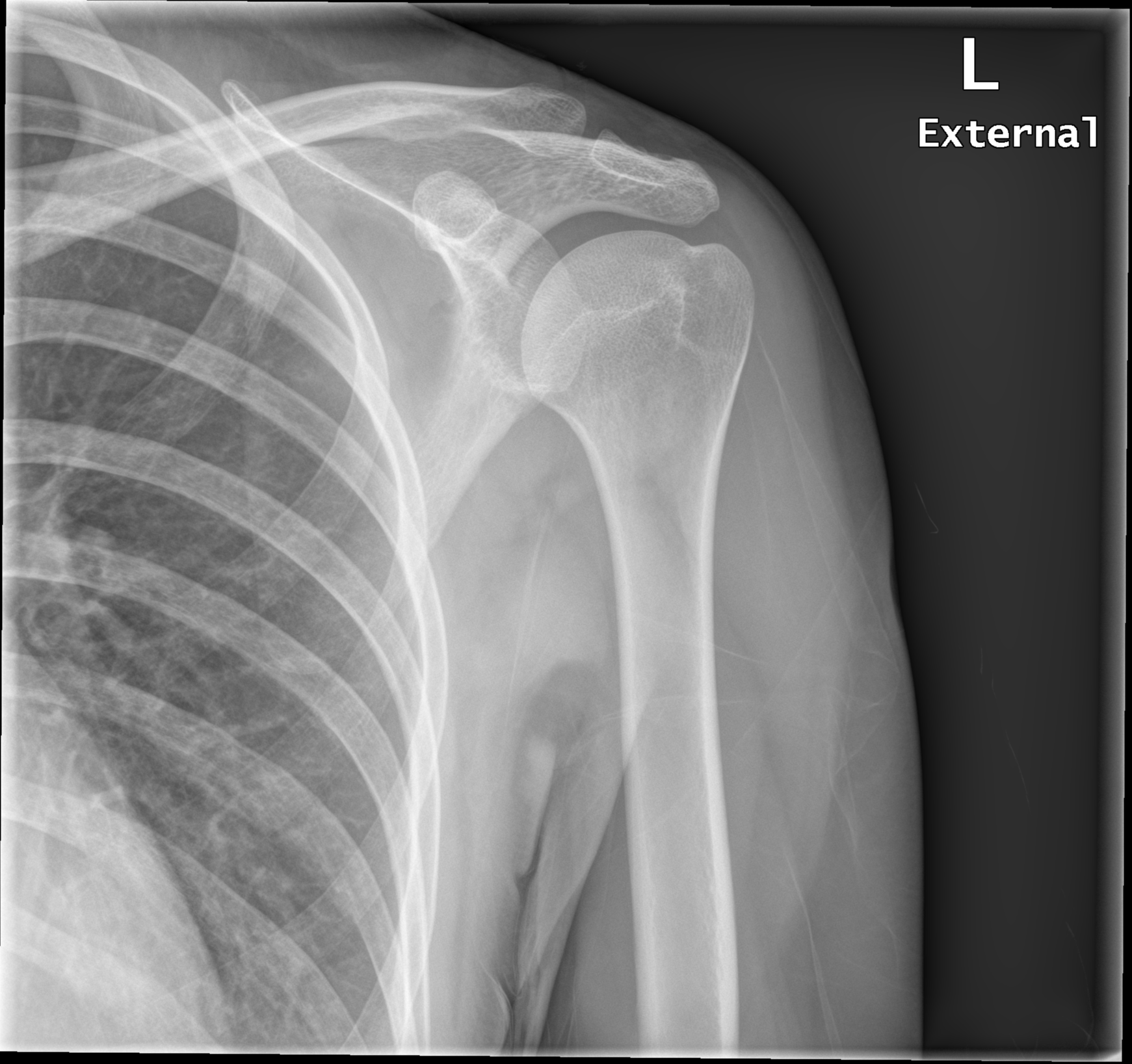
Most people first notice a kidney stone when it starts to move through the ureter, causing severe flank or back pain, nausea, blood in the urine, and sometimes fever. Because the urinary system is so sensitive to fluid balance and diet, changes in what you drink-especially shifts toward more carbonated beverages and less water-can quietly tilt the system toward stone formation over months or years.
How pop contributes to kidney stone risk
Several lines of evidence link regular soda consumption to elevated kidney-stone risk. A major 2013 cohort analysis following nearly 200,000 adults over decades found that those who drank at least one sugar-sweetened cola per day faced a 23% higher risk of developing kidney stones than people who drank less than one can per week. Sugar-sweetened non-cola sodas were even more strongly associated, with a 33% higher risk in the heaviest drinkers.
Researchers think this happens through several overlapping mechanisms. First, the high fructose corn syrup and added sugars in many sugar-sweetened sodas increase urinary excretion of calcium, oxalate, and uric acid, all of which are stone-forming substances. Second, phosphoric acid in many colas lowers urinary pH, creating a more acidic urine environment that favors certain types of kidney stones, especially calcium phosphate and uric-acid stones.
Third, caffeine and the overall "filler" effect of soda can reduce true hydration. Many people who drink several cans of carbonated pop each day end up with lower total water intake, which concentrates the urine and raises stone risk even in the absence of sugary ingredients. Urologists often describe this as a "triple hit": extra sugar, acidic load, and chronic dehydration all working together.
Diet soda-is it safer?
Diet or "zero-calorie" sodas are not clearly harmless when it comes to kidney stones. Observational data show that artificially sweetened non-cola drinks are associated with only a marginally significant increase in risk, but some studies still suggest small elevations in stone formation, particularly in people with other risk factors such as obesity or prior kidney stones. Phosphoric acid, caffeine, and possible effects on calcium metabolism or urinary pH may still play a role, even without added sugar.
This means switching from regular to artificially sweetened soda can reduce sugar load and calorie intake but may not fully eliminate the underlying kidney-stone risk tied to soda-like drinking patterns. For people who already have a history of stones, many urology clinics now recommend limiting both regular and diet sodas and replacing them mainly with water or certain stone-friendly beverages.
Everyday pop habits that raise your risk
Several common pop-drinking behaviors stand out in the research literature. For example:
- Drinking one or more sugar-sweetened cola per day on most days of the week raises the relative risk of first-time kidney stones by about 23% compared with drinking less than one per week.
- Consuming two or more carbonated beverages daily-whether regular or diet-has been linked in some cohorts to a roughly 33% higher risk of kidney disease markers and increased susceptibility to stones.
- Substituting pop for water at work, school, or the gym can quietly cut total daily fluid intake, leading to darker, more concentrated urine even if the person feels "hydrated."
- Pairing sugary sodas with high-oxalate foods such as spinach, nuts, or chocolate may further raise urinary oxalate levels, which is especially relevant for calcium-oxalate stones, the most common type.
Conversely, people who swap out regular soda for beverages such as water, coffee, tea, beer, wine, or orange juice tend to show lower kidney-stone incidence in the same datasets. For instance, drinking at least one cup of caffeinated coffee per day has been associated with up to a 26% lower risk of stones, likely due to its diuretic effect and overall impact on fluid balance.
Who should be most careful with pop?
Not everyone faces the same level of kidney-stone risk from soda. Certain groups are especially vulnerable and should treat regular pop consumption as a modifiable risk factor: people with a history of kidney stones, those with a family history of stones, individuals with obesity or metabolic syndrome, and anyone with recurrent urinary-tract infections or chronic kidney disease. In these groups, even modest daily soda intake can tip the balance toward recurrent stones more than it would in otherwise healthy, well-hydrated people.
Children and adolescents are also increasingly on urologists' radar. A 2024 analysis of NHANES-style data suggested that frequent soda drinking in teens and young adults is associated with earlier onset of kidney-stone disease, likely because of developing dietary patterns, high sugar intake, and inadequate water consumption. Pediatric urologists increasingly advise limiting soda during school years and encouraging water, milk, or low-sugar electrolyte drinks instead.
Practical steps to cut stone risk from pop
For someone who enjoys a daily can of pop but wants to protect their kidney health, several evidence-based steps can make a difference. A typical strategy might look like this:
- Replace at least half of your daily soda with water, starting with one can per day and gradually increasing the swap.
- Track your total fluid intake; aim for at least 2-2.5 liters of urine per 24 hours, which usually means drinking roughly 2.5-3 liters of fluids, depending on climate and activity.
- Limit sugar-sweetened colas and non-cola sodas to no more than one serving per week, especially if you have a history of kidney stones or a family history.
- Cut back on sugary "punch" or soda-like fruit drinks, which carry similar or higher sugar loads and are likewise associated with elevated stone risk.
- Read labels for phosphoric acid and high fructose corn syrup; dark colas and many clear fruit-flavored sodas are more likely to contain both.
- Boost intake of stone-protective beverages such as coffee, tea, and moderate citrus-based drinks (e.g., lemon- or orange-infused water), which have been linked to lower stone incidence in large cohorts.
- Consult a urologist or nephrologist if you have had even one symptomatic kidney stone; a 24-hour urine test can reveal exactly how your diet and fluid habits are affecting stone-forming minerals.
What safe, moderate soda use looks like
Occasional pop is unlikely to overwhelm a healthy urinary system if overall hydration and diet are good. Many clinical guidelines now treat soda not as an absolute poison, but as a nutrient-poor beverage whose benefits are unclear and whose risks rise with frequency and volume. For low-risk adults without a history of kidney stones, limiting soda to one or fewer servings per week and ensuring that the rest of daily fluid comes from water or other low-sugar options is generally considered a reasonable middle ground.
| Weekly pop pattern | Typical risk context | Practical recommendation |
|---|---|---|
| 0-1 can per week | Low added sugar and phosphoric acid load; renal risk similar to general population. | Generally acceptable if total fluid intake is adequate and diet is balanced. |
| 2-6 cans per week | Moderate increase in kidney-stone risk, especially for sugar-sweetened colas. | Consider cutting to 1-2 servings; replace others with water or low-sugar drinks. |
| 1 or more cans per day | Up to 23-33% higher risk of forming kidney stones in long-term cohorts. | Strongly advised to reduce frequency; patients with prior stones often told to eliminate or strictly limit. |
| 2+ sodas per day (any type) | Linked to higher risk of kidney-disease markers and chronic dehydration-related complications. | Target reduction to 1 or fewer per week; work with a clinician on hydration and stone-prevention plan. |
What are the most common questions about Pop And Kidney Stones Could Your Daily Can Be The Problem?
Is any soda completely safe for kidneys?
No single soda product is universally "safe," but the risk is strongly dose-dependent. Small amounts of soda, especially when balanced by high water intake and a healthy diet, are unlikely to cause kidney stones in most people. However, regular or heavy consumption of any sugar-sweetened or phosphoric-acid-containing carbonated beverage will gradually raise the odds of stone formation, so moderation is key.
Can switching to diet soda prevent kidney stones?
Diet or "artificially sweetened" sodas remove the sugar load but may still contribute to kidney-stone risk through caffeine, phosphoric acid, and reduced overall water intake. Some evidence suggests that heavy diet-soda use is associated with only a modestly increased risk, but it is not a guaranteed safeguard. For people with a history of stones, most urologists prefer that diet soda also be limited and that water remain the primary beverage.
How much water should I drink if I also drink pop?
If you cannot completely give up pop, nephrologists and urologists typically recommend drinking additional water to offset the dehydrating effect. A practical rule is to add at least one full glass of water for every can of soda you consume, and to aim for urine that is pale yellow or nearly clear by midday. For many adults, this means total fluid intake of about 2.5-3 liters per day, with water making up the majority of that volume.
What are the first signs of kidney stones?
Early signs of a moving kidney stone often include sudden, sharp pain in the side or back, sometimes radiating toward the groin, along with nausea, sweating, or visible blood in the urine. Some people notice a frequent urge to urinate or a burning sensation, especially when the stone nears the bladder. Anyone experiencing severe, unexplained flank pain, fever with chills, or difficulty passing urine should seek urgent medical evaluation, as this may indicate a blocked urinary tract or infection.
Do other drinks affect kidney stone risk?
Yes, beverage choice has a powerful effect on kidney-stone risk. Studies show that coffee, tea, beer, wine, and orange juice are all associated with lower rates of stone formation, likely because they increase urine volume or alter urinary chemistry in stone-protective ways. By contrast, sugary colas, non-cola sodas, and punch are linked to higher risk, so shifting from soda to these other drinks can be a simple, effective prevention strategy.
Can I still have a can of pop sometimes?
Infrequent pop-such as one can on special occasions or once a week-is generally considered acceptable for most people without a history of kidney stones, as long as their overall hydration and diet remain healthy. For individuals who have already had a stone, clinicians often recommend limiting soda much more strictly and using water, lemon-infused drinks, or low-sugar alternatives as the main source of fluids.
When should I see a doctor about pop and kidney stones?
You should see a urologist or primary-care physician if you have had a kidney stone in the past, notice recurrent flank or back pain, or drink several cans of pop daily while feeling chronically thirsty or producing dark urine. A simple 24-hour urine collection and blood test can clarify how your current beverage habits are affecting stone-forming minerals and help build a personalized kidney-stone prevention plan.