Stop Scrolling: Is Tea Tree Oil Safe For Cats At All?
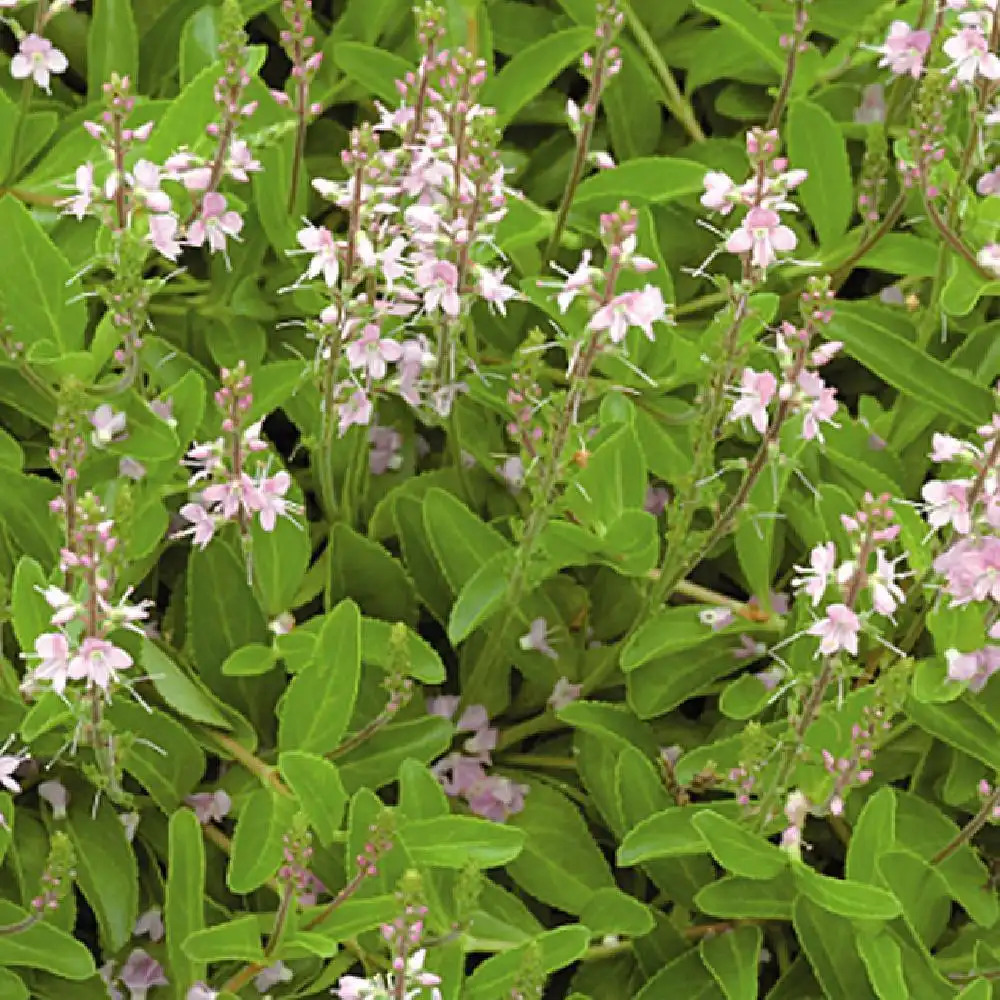
If you're asking whether tea tree oil is risky for cats: yes-tea tree oil can cause serious toxicosis in cats if they ingest it, get it on their skin, or lick it off after topical exposure. A vet-confirmed pattern of cases shows severe neurologic signs can develop within hours, sometimes lasting days, so the practical rule is "do not use it around cats," especially not as a flea repellent or on household surfaces where cats groom.
Tea tree oil is an essential oil (often labeled melaleuca oil) that contains biologically active terpene compounds, and cats are especially vulnerable because they metabolize certain compounds poorly. Veterinarians and poison-resource lists advise avoiding tea tree oil products around cats altogether, particularly concentrated "100%" essential oil preparations.

Why tea tree oil is dangerous
The main concern with terpinen-4-ol (a key component of tea tree oil) is that cats can develop toxic neurologic and systemic effects after exposure, whether by ingestion or topical contact followed by grooming. In clinical discussions of toxicosis, the likely pathway is absorption through the skin and then continued intake when the cat grooms contaminated fur.
When essential oils are used in ways that reach the cat's body-like direct application, "spot treatments," or leaving diffused/treated residues on furniture-cats can receive a dose that's small by volume but meaningful in effect. Poisoning can present even if you didn't apply the oil directly to the cat, because licking contaminated paws/coat is common.
Bottom line: Tea tree oil should be treated as a "hazardous exposure" around cats, not a mild natural remedy.
What symptoms to watch
In documented cases of tea tree oil toxicosis, signs often include central nervous system depression and impaired coordination-commonly described as tremors, ataxia, paresis, and difficulty walking. These signs can begin within hours after exposure and may persist up to several days depending on dose and cat factors.
Symptoms can also include gastrointestinal upset (for example, vomiting and diarrhea) and marked lethargy. If you observe neurologic signs after any tea tree product exposure, treat it as an emergency rather than waiting for "natural recovery."
- Drooling or mouth foam (often accompanies nausea/neurologic irritation).
- Vomiting and diarrhea after ingestion or grooming of treated fur.
- Uncoordinated walking (ataxia), weakness, or tremors as CNS effects progress.
- Lethargy, reduced responsiveness, or abnormal behavior after exposure.
How fast it can happen
Published clinical reporting on concentrated tea tree oil toxicosis describes onset "within hours" after intentional or accidental use of 100% tea tree oil in cats and dogs. In those case discussions, the duration of major illness can last up to about three days, reinforcing why early intervention matters.
Because cats groom repeatedly and efficiently, what starts as a skin/coat exposure can quickly become ingestion. That means the risk is not just "did the cat drink it," but also "did the cat touch or lick it."
- Contact occurs via topical residue, spilled oil, treated household items, or diffusion settling onto fur.
- Grooming spreads and ingests oil, increasing systemic exposure.
- Rapid neurologic effects may appear within hours (tremors, ataxia, paresis).
- Persistent course can last up to about three days in more serious cases.
Tea tree oil vs. "natural" flea control
Many owners consider natural flea repellents to avoid harsh chemicals, but tea tree oil is not a safe substitute for approved pet flea control. Poison-resource guidance and toxicosis reports show that "natural" essential oils can still be potent toxins to cats.
If you're attempting pest control around the home, focus on cat-safe, label-approved options and treat the environment without creating a grooming exposure. Otherwise, the same residues that deter insects can become a toxin dose once your cat walks on, rubs against, or licks treated surfaces.
Quick safety guidance
For practical prevention, treat tea tree products (pure oil, blends, gels, and "spot" formulas that contain tea tree) as "off-limits" for any cat household where the cat can access treated areas. Even if a product is "for humans" or "for pets" marketing claims exist, poisoning cases demonstrate the need for strict avoidance in cats.
Store all tea tree items out of reach, and avoid using diffusers or wipe-down products where a cat can later groom residues. If accidental exposure occurs, contact a veterinary professional or poison resource immediately rather than waiting for symptoms to "stay mild."
| Scenario involving tea tree | Risk level for cats | Why it's risky | What to do |
|---|---|---|---|
| 100% tea tree oil applied to skin/fur | High | Concentrated exposure plus grooming increases systemic dose | Do not apply; seek veterinary guidance if exposure occurred |
| Cat licks furniture after cleaning with tea tree product | High | Residues can be ingested during grooming | Rinse areas to remove residue; contact a vet if symptoms appear |
| Tea tree diffused "for odor control" | Moderate to high | Oil components can reach fur and surfaces over time | Stop use around cats; ventilate and clean surfaces |
| Approved, cat-safe flea control used per label | Low (when used correctly) | Designed for species-safe dosing and routes | Follow label instructions; ask your vet for product selection |
Historical and clinical context
Veterinary toxicosis reporting has repeatedly documented that concentrated tea tree oil is capable of causing serious clinical signs in small animals, including cats. Clinical write-ups emphasize that younger or lower-body-weight cats can be at greater risk of developing major illness when exposed.
In the broader context of essential oils in veterinary medicine, the lesson isn't that "all natural products are safe"-it's that natural concentrates can still be pharmacologically active and harmful. Tea tree oil's pattern of neurologic and GI signs aligns with the way these compounds can affect cats after systemic absorption.
What owners often get wrong
A common misconception is that "a little" tea tree oil is harmless, but case summaries show that serious effects can occur with concentrated products and exposures that lead to ingestion after grooming. Cats are not small dogs, and their sensitivity to essential oil compounds is a major reason the advice is to avoid use entirely.
Another error is assuming that "pet-safe" labeling guarantees safety. Poison lists and case literature focus on exposure routes and pharmacology, and they still warn that tea tree oil is dangerous to cats.
Immediate steps if exposure happened
If tea tree exposure has already occurred-especially if you used pure oil, applied a product to skin, or the cat likely licked residue-treat it as urgent. The clinical timeline described in toxicosis reporting supports acting quickly because major neurologic signs can begin within hours.
Do not try "home remedies" to counteract the oil without veterinary input, because the priority is safety and appropriate medical assessment. Gather the product name/ingredients and the approximate amount and timing to provide accurate information to the veterinary team.
FAQ
Owner checklist
If you want a cat-safe home with fewer essential-oil surprises, use this checklist to prevent the most common exposure pathways. It focuses on ingestion-by-grooming, which is where many tea tree incidents become medically significant.
- Store tea tree oil products in closed cabinets out of reach.
- Avoid using tea tree diffusers or wipe-down sprays around cats.
- Assume any residue on floors, furniture, or rugs can be licked off.
- If exposure occurs, act quickly because signs can develop within hours.
Final practical takeaway: "Tea tree oil cats" should be treated as a clear warning topic-avoid use and prevent contact, because concentrated tea tree oil has a documented track record of causing serious neurologic illness in cats.
Expert answers to Stop Scrolling Is Tea Tree Oil Safe For Cats At All queries
Can cats be around tea tree oil?
No-tea tree oil is not considered safe for cats when there's any possibility of contact, licking, or residue ingestion. Veterinary toxicosis reports describe serious signs with concentrated exposure, and guidance commonly recommends avoiding tea tree oil in cat environments.
What if my cat licked a small amount?
Even small exposures can be risky, particularly with concentrated tea tree oil or if the cat groomed contaminated fur. Watch for vomiting, diarrhea, drooling, tremors, and uncoordinated walking, and contact a veterinary professional promptly because signs can start within hours and last up to days in more serious cases.
Is tea tree oil safe as a flea repellent?
Using tea tree oil as a flea repellent around cats is not recommended because cats can be harmed by exposure. Safer flea control options are those specifically labeled and dosed for cats, used exactly as directed.
Why are cats more sensitive than humans?
Cats can experience toxicosis from tea tree oil compounds because their biology and metabolism make essential oil constituents more harmful than many owners expect. The clinical pattern of CNS depression and neurologic signs after concentrated tea tree oil exposure supports this species sensitivity.
What should I do if I used it accidentally?
Stop further exposure immediately, remove the cat from treated areas, and contact a veterinary professional for guidance. Provide product details and timing, and treat the situation as urgent if any neurologic or GI symptoms appear.