Were The 1940s The Birth Of Modern Celebrity Culture?

- 01. The Industrialization of Fame
- 02. World War II and the Rise of National Icons
- 03. The Power of Mass Media Convergence
- 04. The Birth of the Celebrity Persona
- 05. Fan Culture and Emotional Investment
- 06. Scandal, Control, and Public Fascination
- 07. How the 1940s Shaped Today's Celebrity System
- 08. Frequently Asked Questions
The origins of modern celebrity culture can be traced directly to the 1940s, when the convergence of mass media expansion, wartime propaganda, and the consolidation of the Hollywood studio system transformed fame into a scalable, marketable commodity. During this decade, studios, radio networks, and emerging publicity machines began manufacturing public personas with unprecedented control, turning actors, musicians, and public figures into globally recognizable brands. By 1945, over 80% of American households owned radios, and weekly cinema attendance exceeded 90 million, creating the first truly mass audience for celebrity identity.
The Industrialization of Fame
The 1940s marked the shift from organic notoriety to engineered stardom, driven by the studio contract system that tightly controlled actors' careers, appearances, and even personal lives. Major studios such as MGM, Warner Bros., and Paramount signed talent to exclusive, multi-year deals, dictating everything from roles to public relationships. This system enabled studios to craft consistent narratives around stars, ensuring that audiences consumed not just performances but entire personalities.
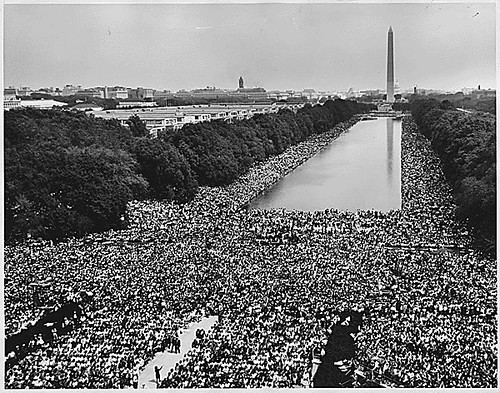
The scale of this system was unprecedented. By 1943, MGM alone managed over 200 contracted actors, each assigned stylists, speech coaches, and press handlers. According to a 1946 Variety report, studios spent an estimated $5 million annually (equivalent to over $75 million today) on publicity campaigns designed to maintain star visibility across newspapers, magazines, and radio shows.
- Studios controlled actor image, including fashion, speech, and public appearances.
- Fan magazines like Photoplay reached circulations exceeding 1.7 million monthly readers.
- Press agents coordinated interviews, scandals, and "romances" to sustain audience interest.
- Radio cross-promotion amplified film stars into household names beyond cinema.
World War II and the Rise of National Icons
The Second World War accelerated the formation of celebrity culture by turning entertainers into symbols of morale and patriotism through wartime propaganda. Figures such as Humphrey Bogart, Rita Hayworth, and Bing Crosby were not only entertainers but also cultural ambassadors. The U.S. government collaborated with Hollywood via the Office of War Information (OWI), ensuring that celebrity messaging aligned with national goals.
By 1944, over 400 Hollywood films had incorporated wartime themes, and celebrities participated in more than 3,000 USO performances globally. These efforts elevated stars into trusted figures, reinforcing emotional connections with audiences. As historian Lary May noted in a 1998 analysis of wartime media, "The 1940s created the first generation of mass-mediated idols whose identities extended far beyond their artistic output."
The Power of Mass Media Convergence
The 1940s introduced a powerful synergy between film, radio, print, and emerging television, forming a multi-platform media ecosystem that amplified celebrity reach. Radio programs frequently featured film stars, while newspapers syndicated gossip columns that standardized celebrity narratives across the country.
This convergence created a feedback loop: visibility increased demand, and demand justified further media exposure. By 1948, gossip columnist Hedda Hopper reportedly reached over 35 million readers weekly, demonstrating how centralized media voices could shape public perception of fame. The integration of platforms laid the groundwork for today's omnichannel celebrity branding.
- Film introduced visual identity and narrative roles.
- Radio humanized stars through voice and personality.
- Print media standardized celebrity stories nationwide.
- Public appearances reinforced authenticity and relatability.
The Birth of the Celebrity Persona
Modern celebrity culture depends on the distinction between a public persona and private identity, a concept refined in the 1940s through deliberate image construction. Studios curated narratives that audiences could emotionally invest in, often masking real-life complexities behind carefully crafted images of glamour, romance, or resilience. This marked the emergence of the constructed identity model still used by celebrities today.
For example, Rita Hayworth's transformation from Margarita Cansino into a red-haired Hollywood icon involved extensive rebranding, including name changes, cosmetic alterations, and scripted interviews. This transformation illustrates how fame became less about innate talent and more about strategic positioning within a competitive entertainment landscape.
Fan Culture and Emotional Investment
The 1940s also witnessed the institutionalization of fan engagement, as audiences began forming deeper emotional connections with celebrities through fan club networks and interactive media. Studios encouraged this engagement by publishing personal details, organizing meet-and-greets, and responding to fan mail, which reached millions of letters annually.
By 1947, it was estimated that Hollywood studios collectively received over 20 million fan letters per year. This level of interaction transformed passive audiences into active participants in celebrity culture, a precursor to today's social media-driven fandoms.
| Year | Medium | Estimated Reach | Impact on Celebrity Culture |
|---|---|---|---|
| 1940 | Cinema | 80 million weekly viewers | Visual identity formation |
| 1943 | Radio | 85% of households | Voice-based familiarity |
| 1946 | Print Media | 50 million readers weekly | Narrative standardization |
| 1949 | Television | 1 million households | Emerging real-time visibility |
Scandal, Control, and Public Fascination
Another defining feature of 1940s celebrity culture was the strategic use of scandal to maintain public interest, often managed by the Hollywood publicity machine. Studios either suppressed damaging stories or leaked controlled controversies to keep stars relevant. This balance between revelation and secrecy created a sense of intrigue that fueled audience fascination.
The 1947 HUAC (House Un-American Activities Committee) hearings exemplified how political scandal intersected with celebrity culture. The blacklisting of Hollywood figures demonstrated that fame could amplify both influence and vulnerability, setting a precedent for the modern scrutiny faced by public figures.
How the 1940s Shaped Today's Celebrity System
The structural innovations of the 1940s continue to define modern fame, from influencer branding to global entertainment franchises. The era established the principles of scalable fame architecture, where visibility, narrative control, and audience engagement operate as interconnected systems.
- Personal branding evolved from studio-crafted personas.
- Cross-platform visibility mirrors modern social media strategies.
- Fan engagement practices anticipated digital communities.
- Media narratives still shape public perception of celebrities.
Today's influencers, actors, and public figures operate within a framework that originated in this decade, even as technology has transformed the tools of engagement.
Frequently Asked Questions
Expert answers to Were The 1940s The Birth Of Modern Celebrity Culture queries
Why are the 1940s considered the start of modern celebrity culture?
The 1940s introduced a systemized approach to fame through the Hollywood studio system, mass media expansion, and wartime propaganda, creating scalable and controlled celebrity identities that resemble today's fame structures.
How did World War II influence celebrity culture?
World War II elevated entertainers into national symbols through wartime propaganda, increasing their visibility and emotional connection with audiences while aligning their public image with patriotic values.
What role did media play in shaping celebrities in the 1940s?
Media convergence across film, radio, and print created a multi-platform media ecosystem that amplified celebrity exposure and standardized public narratives, making fame more consistent and widespread.
Were celebrities in the 1940s authentic or manufactured?
Most celebrities were carefully curated through the constructed identity model, where studios controlled public personas, often diverging significantly from the individual's private life.
How does 1940s celebrity culture compare to today?
While technology has evolved, the foundational principles-branding, audience engagement, and media amplification-remain rooted in the scalable fame architecture developed during the 1940s.